
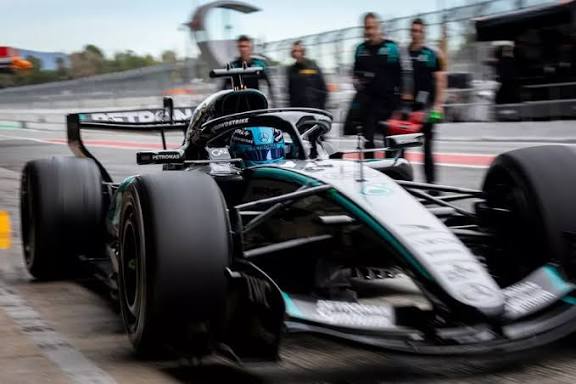
Modern Formula 1 cars are not only about powerful engines; instead, they rely on advanced engineering and hybrid technology to achieve extreme speed while using less fuel. In fact, every Formula 1 team now uses an advanced Formula 1 hybrid engine that generates significant power from a relatively small engine size.
Moreover, the introduction of Formula 1 hybrid engine technology has completely transformed the sport. Rather than depending solely on traditional combustion engines, modern Formula 1 cars use a highly efficient hybrid system known as the Formula 1 power unit. As a result, these systems not only increase speed and performance but also recover and reuse energy that would otherwise be lost during braking or engine operation. Therefore, the sport has become both faster and more energy-efficient than ever before.
In this guide you will learn how a Formula 1 power unit works, what it is made of the things about hybrid technology and why it is the future of car racing.
What Is a Formula 1 Hybrid Engine?
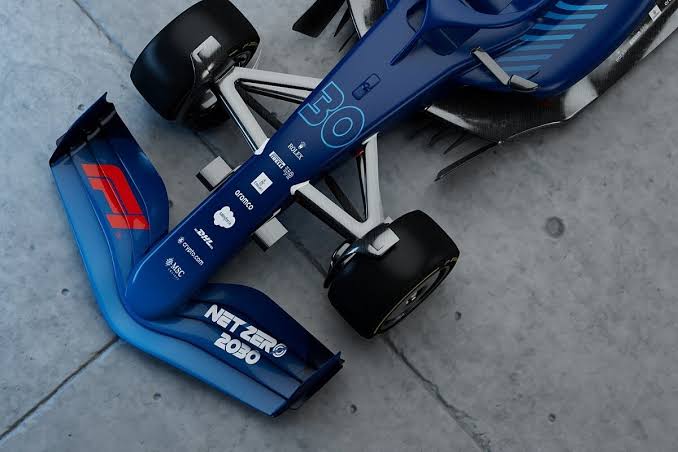
A Formula 1 hybrid engine combines a turbocharged internal combustion engine with advanced electric motor technology. Instead of relying only on fuel, the hybrid system captures and reuses energy generated during the race, making the overall system far more efficient.
Since the introduction of hybrid engine regulations in 2014, Formula 1 has become a global testing ground for developing high-performance hybrid technology. As a result, innovations from the sport have also influenced modern automotive engineering.
Today, Formula 1 power units produce more than 1,000 horsepower while using significantly less fuel than older generation engines. Therefore, they deliver both extreme performance and improved energy efficiency at the same time.
Understanding Formula 1 Hybrid Engine Technology
The term Formula 1 hybrid engine technology refers to the system that powers a Formula 1 car. Unlike an engine the hybrid power unit has mechanical, electrical and electronic systems that work together to make the car go as fast as possible.
The technology focuses on:
- Saving energy that would be wasted
- Using fuel
- Making the car accelerate faster
- Making the engine work better
- Giving the driver power all the time
This combination lets Formula 1 cars go over 350 kilometers per hour while using less fuel than the old engines.
Components of a Formula 1 Power Unit
A Formula 1 power unit has six main parts.
1. Internal Combustion Engine (ICE)
The ICE is a 1.6-liter V6 turbocharged engine that burns fuel to make power.
Some key features are:
- Six cylinders
- Turbocharged design
- The engine can run up to 15,000 revolutions per minute
- It is very good at turning fuel into power
Even though the engine is small it makes a lot of power because of engineering.
2. Turbocharger
The turbocharger pushes air into the engine so it can burn more fuel and make more power.
The good things about the turbocharger are:
- It makes power
- It helps the engine use fuel
- It makes the engine work better
- It reduces the time it takes for the engine to make power
3. MGU-K (Motor Generator Unit – Kinetic)
The MGU-K captures energy whenever the car brakes. Instead of losing that energy as heat, it converts it into electricity and stores it in the battery.
As a result, this stored energy can later be used to give the car an extra power boost when the driver needs it. Therefore, the system improves both efficiency and performance during a race.
4. MGU-H (Motor Generator Unit – Heat)
The MGU-H gets energy from the gases that come out of the turbocharger.
It turns that heat into electricity and also helps the turbocharger operate more efficiently. As a result, the engine becomes more powerful and energy-efficient at the same time.
Although the rules may change in the future and this component could be removed, it has still been one of the most innovative parts of Formula 1 hybrid engine technology. Therefore, it has played a key role in improving performance, efficiency, and energy recovery in modern Formula 1 cars.
5. Energy Store (Battery)
The Energy Store is like a battery.
It saves the energy that the MGU-K and MGU-H capture and gives power back to the car when it needs to accelerate.
6. Control Electronics
The control electronics are like the brain of the system.
This computerized unit controls:
- How energy is used
- How the battery is charged
- How the engine works
- How power is sent to the car
- How the hybrid system works best
How a Formula 1 Power Unit Works
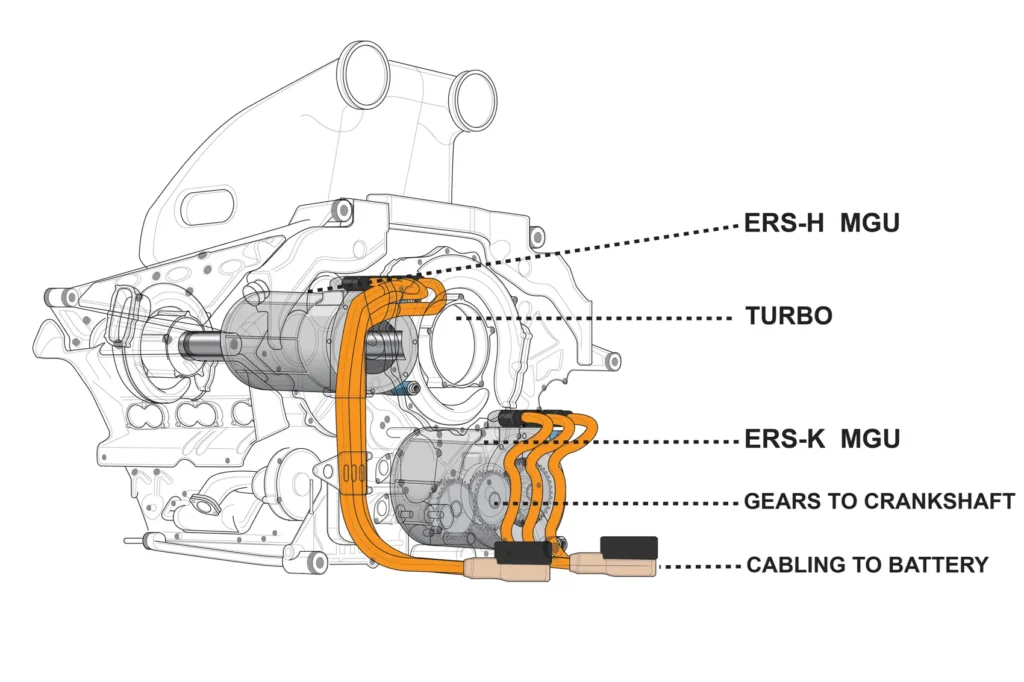
The Formula 1 power unit always switches between using gasoline and electricity.
The process works like this:
Step 1: Fuel Combustion
The V6 engine burns fuel to make power.
Step 2: Energy Recovery
When the car brakes the MGU-K captures the energy.
At the time the MGU-H gets energy from the hot gases.
Step 3: Energy Storage
The captured energy is saved in the battery.
Step 4: Electric Boost
When the driver accelerates the saved energy is used to give the car a boost of power.
This cycle happens all the time during a race.
Why Formula 1 Uses Hybrid Engines
Formula 1 uses technology for several important reasons.
Improved Efficiency
Modern Formula 1 hybrid engines turn fuel into usable power than the old engines did.
Better Sustainability
Hybrid systems use fuel and make fewer emissions.
Technology Transfer
Many technologies that are developed in Formula 1 are later used in road cars.
Manufacturers use Formula 1 as a place to test and develop hybrid and electric vehicles.
Enhanced Performance
The electric motor gives the driver instant power making the car accelerate faster.
Advantages of Formula 1 Hybrid Engine Technology
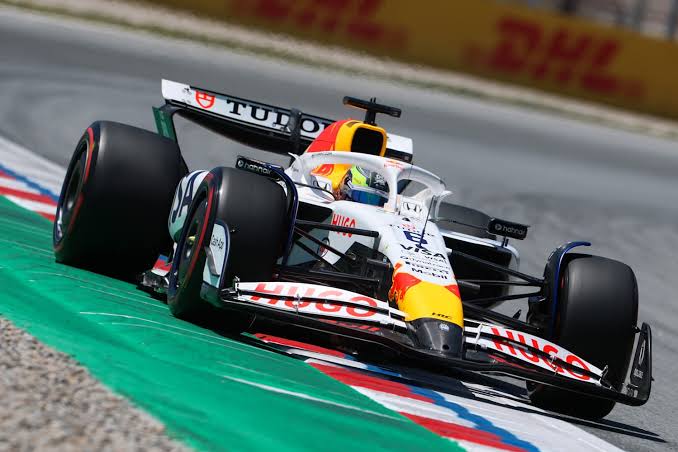
The good things about Formula 1 hybrid engine technology include:
- More horsepower
- Better fuel efficiency
- Faster acceleration
- Better energy recovery
- More reliability
- Less fuel used
- New engineering innovations
These advantages make Formula 1 one of the technologically advanced racing series in the world.
Challenges of Formula 1 Hybrid Engines
Even though they are very good hybrid power units also have some challenges.
High Development Costs
Hybrid systems take a time and a lot of money to develop.
Mechanical Complexity
Each Formula 1 power unit has thousands of engineered parts.
Strict Regulations
Formula 1 has rules that limit how engines can be developed to keep the racing fair.
Maintenance
Hybrid parts need care and constant monitoring.
Formula 1 Hybrid Engines vs Traditional Racing Engines
| Feature | Formula 1 Hybrid Engine | Traditional Racing Engine |
|---|---|---|
| Turbocharged | Yes | Usually No |
| Electric Motor | Yes | No |
| Energy Recovery | Yes | No |
| Fuel Efficiency | High | Lower |
| Horsepower | Over 1,000 HP | Varies |
| Sustainability | Better | Lower |
The hybrid system delivers more performance while consuming less fuel.
Future of Formula 1 Power Units
Formula 1 is always changing its engine technology.
In the future we can expect to see:
- More electrical power
- Fuels that are better for the environment
- hybrid systems
- Better batteries
- Less carbon emissions
These new developments will help keep Formula 1 at the forefront of car engineering while supporting sustainability goals.
Asked Questions
What is a Formula 1 hybrid engine?
A Formula 1 hybrid engine combines a 1.6-liter turbocharged V6 engine with motor systems that capture and reuse energy during the race.
What is a Formula 1 power unit?
The Formula 1 power unit includes the engine, turbocharger, MGU-K, MGU-H, battery and control electronics that all work together to make power.
How horsepower does a Formula 1 hybrid engine produce?
Modern Formula 1 hybrid engines make more than 1,000 horsepower by combining gasoline and electric power.
Why does Formula 1 use technology?
Hybrid technology improves efficiency gives more performance uses less fuel and helps develop innovations that can be used in road cars.
Are Formula 1 engines friendly?
While Formula 1 engines still use fuel they are among the efficient engines ever made and are getting more environmentally friendly with sustainable fuels and advanced energy recovery systems.
Conclusion
The Formula 1 hybrid engine is more than a racing engine. It is an advanced Formula 1 power unit that combines turbocharging, electric motors, energy recovery systems and smart electronics to make one of the most efficient performance machines ever created.
As the rules continue to change Formula 1 hybrid engine technology will keep driving innovation in both car racing and the car industry. From making cars go fast on the track, to influencing the future of road vehicles these hybrid systems show how advanced engineering can achieve both performance and efficiency.