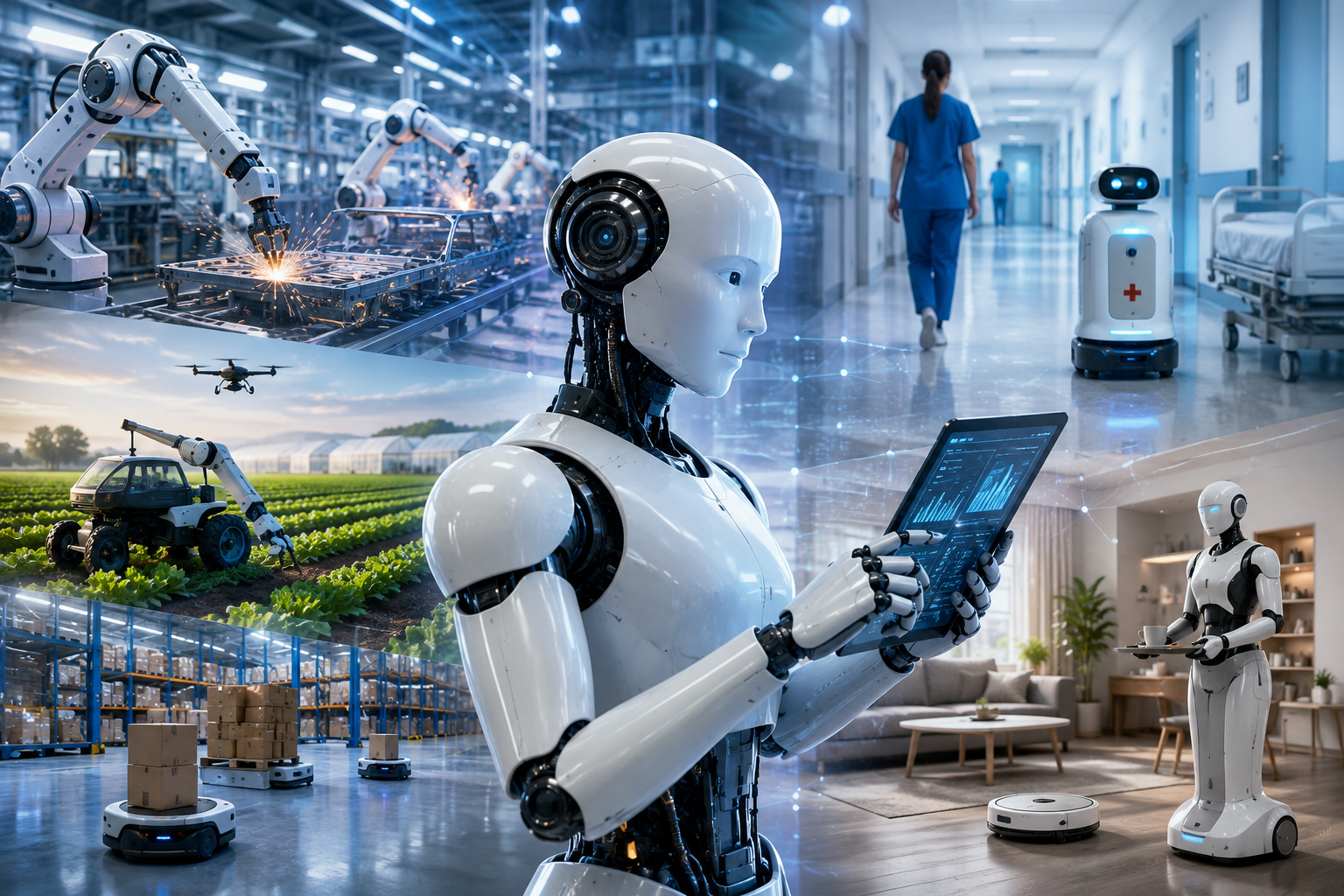
For a time when people thought of robots they pictured big machines that put cars together on a production line or they thought of robots from movies that never really existed.. That picture is old now. Today robots are moving out of factories. Into places like warehouses, hospitals, restaurants, farms and even our homes.. They are doing it with a level of awareness and ability to adapt that did not exist just a few years ago.This change is the story behind the future of robotics.
The change is not about robots doing more things. It is about robots understanding things. Because of advances in intelligence, sensors and computer power machines that used to need every move programmed can now see their surroundings make decisions and learn from experience. It is why the industry is getting a lot of investment with market analysts thinking the robotics sector could be worth several hundred billion dollars in the next decade. The humanoid robot part of the industry is growing fast with a growth rate of more than 30% each year through the 2030s according to many research firms.
Here is a realistic look at where roboticss actually going. Not the hype, but the trends, technologies and trade-offs that will define the next few years.
Future of Robotics: 7 Trends Reshaping 2026
Today, robotics is evolving far beyond traditional automation. Advances in artificial intelligence, machine vision, and intelligent sensors are allowing robots to work in dynamic environments alongside people. Understanding these developments helps businesses and individuals prepare for the next generation of automation.
1. Robots Are Leaving the Factory
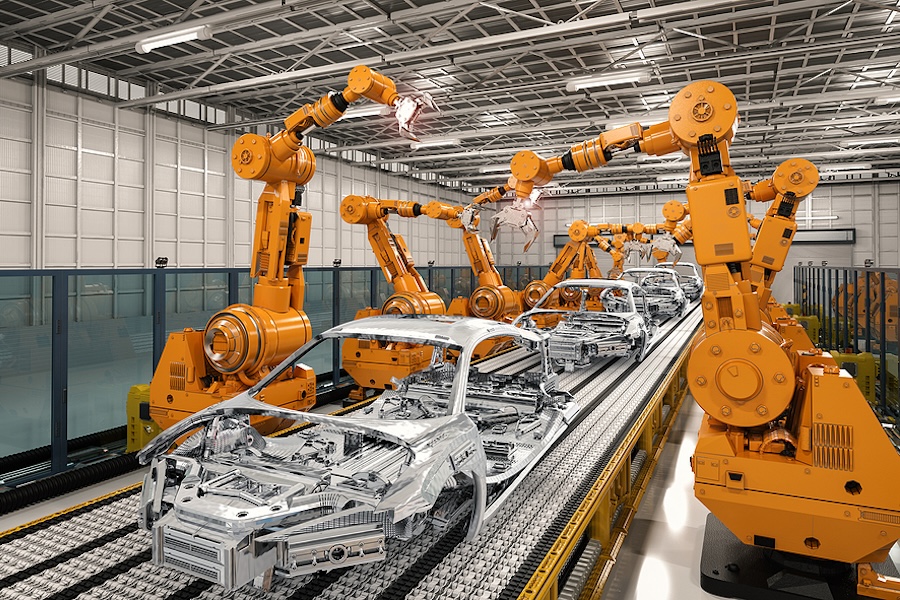
The biggest change in robotics is not a new gadget but the way people use robots. For most of robotics history, companies used robots in controlled environments such as factories. Today, businesses are rapidly expanding their use into grocery stores, hospital hallways, and outdoor delivery routes. These new environments require robots to react quickly to unexpected situations, such as a shopping cart suddenly appearing or a child running past.
2. Humanoid Robots Are Becoming Real
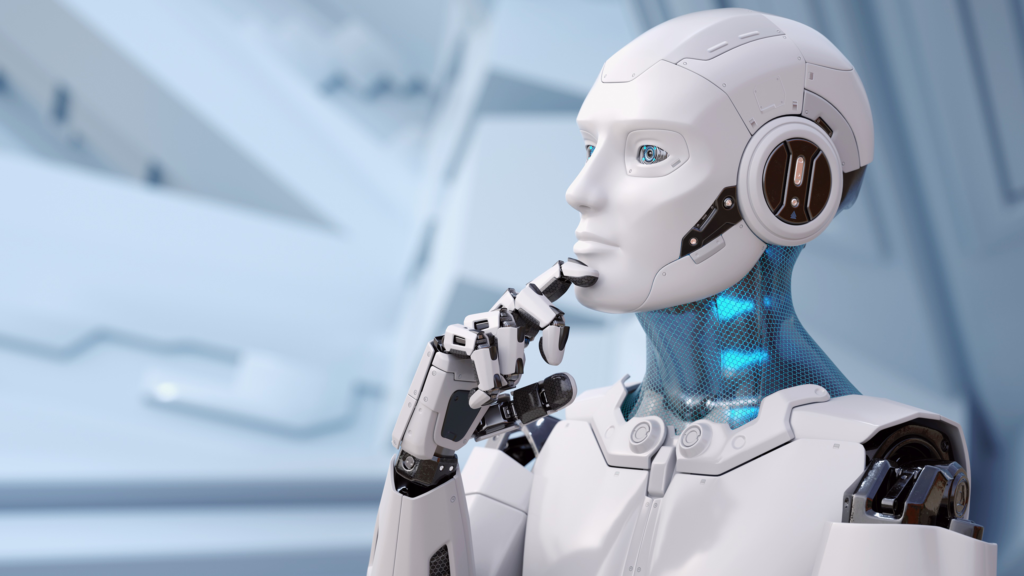
A years ago humanoid robots were mostly just videos. They were impressive, but not very useful. That is no longer true. Companies like Boston Dynamics, Agility Robotics, Figure AI, Tesla and Unitree are working to put two-two-armed robots into real workplaces. They are doing this because a human-shaped robot can use the tools and doors that people use without needing to redesign the whole place.
3. AI Is the Engine Behind the Robot Revolution
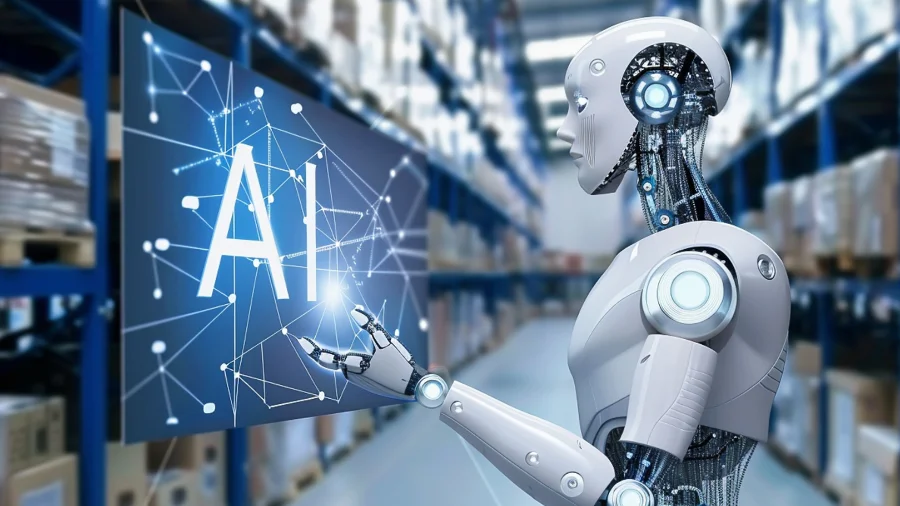
Ask any robotics engineer what changed. They will say it is artificial intelligence. Specifically AI is helping robots to perceive their surroundings understand language and learn from experience. This is the difference between automating tasks and truly making robots autonomous.. It is why investment in robotics has increased so much in the last two years.
4. Robots and Humans Are Working Together
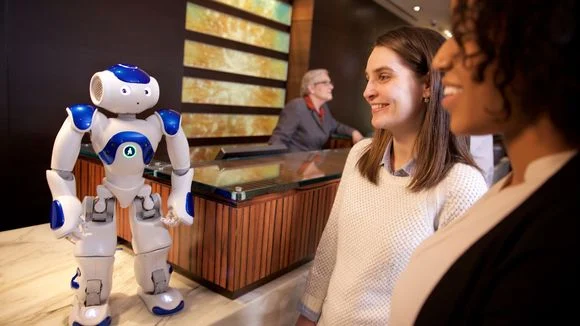
The old way of keeping robots and humans separate is changing. Now robots are being designed to work with people. On an assembly line a robot might lift a part into place while a human handles the precise connections. In hospitals robots are helping to deliver supplies and medicine.
5. Robots Are Becoming Flexible
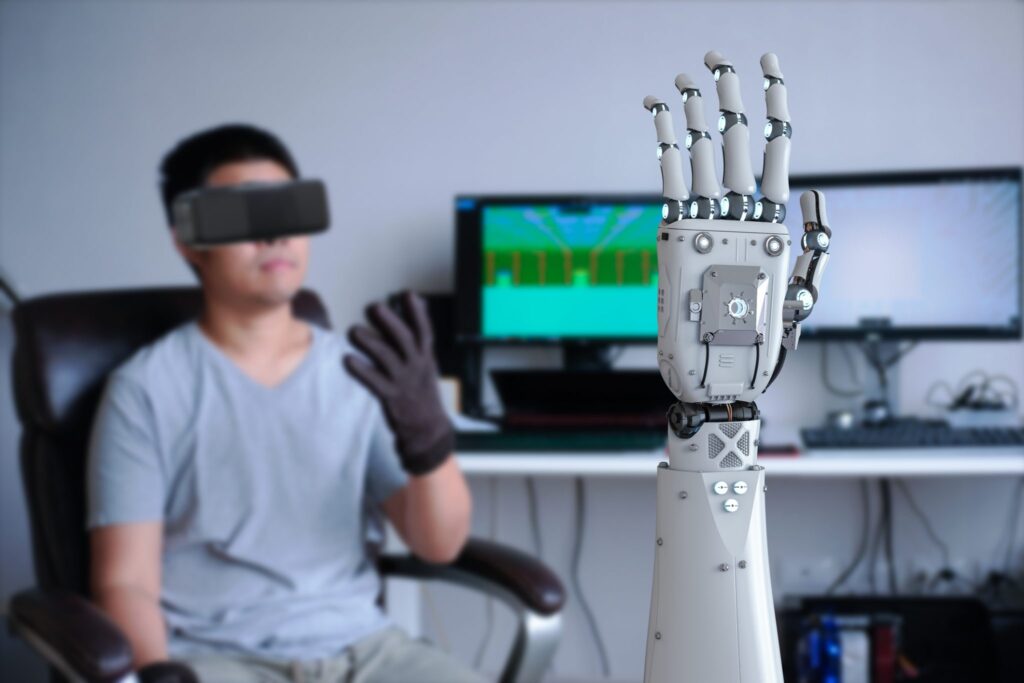
Traditional industrial robots were often built to do just one thing. If the product line changed the robot could not adapt. Modern robotic systems are more flexible. They can be reprogrammed to handle tasks. This is very helpful for businesses that need to change what they are producing.
6. Robotics Is Reaching Small Businesses
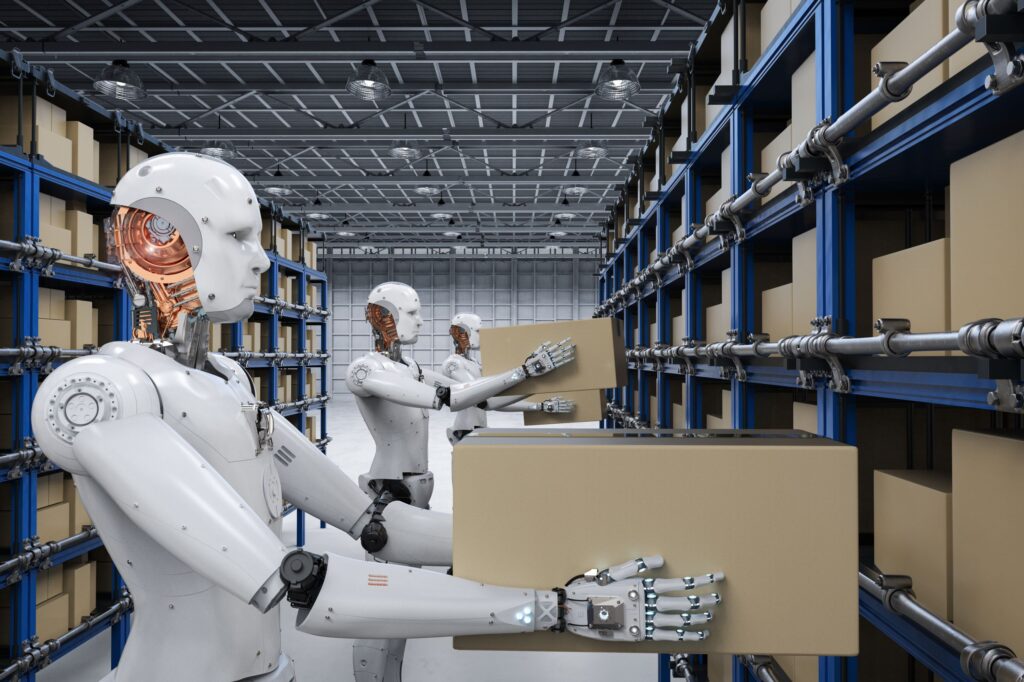
Robotics used to be something only big companies could afford.. Now robotic arms and mobile units are smaller, cheaper and easier to set up. This means that smaller manufacturers, distributors and even farms can use robots.
7. The Workforce Is Changing
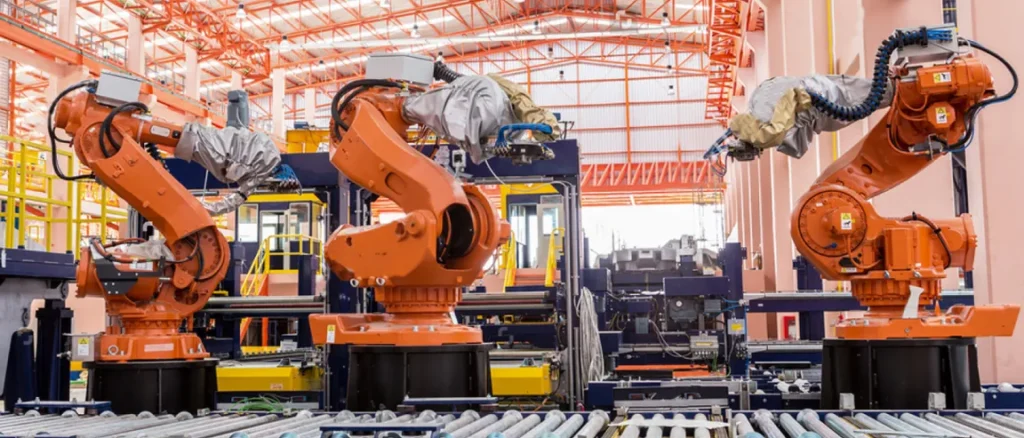
It is tempting to think that robots will replace workers.. The truth is that robotics is changing what work looks like. Repetitive and physically demanding tasks are being handled by machines.. New jobs are being created. Jobs that require people to supervise robots maintain them and manage the software that controls them.
Why Future of Robotics: 7 Trends Reshaping 2026 Matters
The robotics industry is entering a new phase of innovation driven by artificial intelligence, advanced sensors, and automation. Businesses across manufacturing, healthcare, logistics, agriculture, and retail are investing in smarter robotic systems that can improve productivity, reduce costs, and solve labor shortages. Understanding these trends helps organizations prepare for the technologies that will shape the next generation of work.
The Challenges
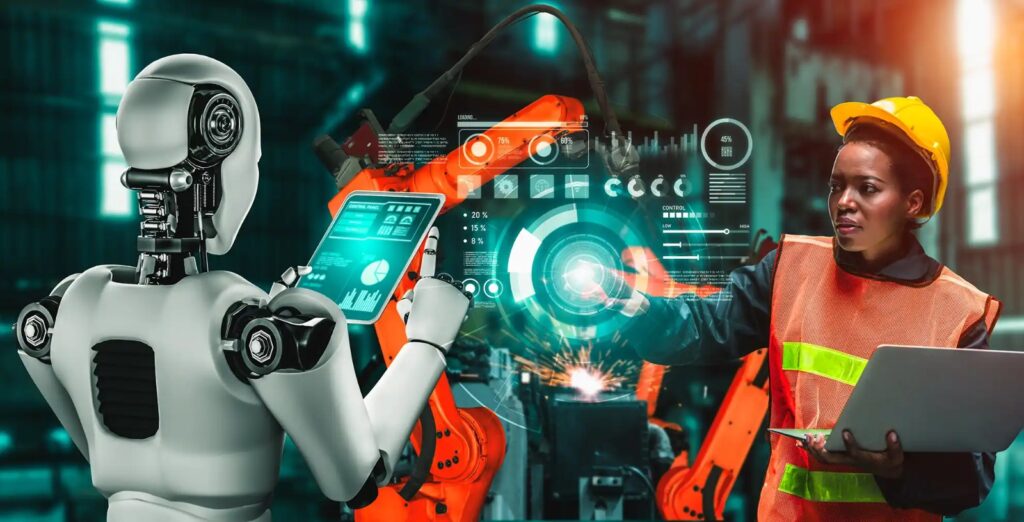
For all the progress robotics still faces challenges. Every environment is different. Robots can struggle in new places. Unpredictability is still hard for robots to handle.. It is hard to find people with the skills to maintain and repair sophisticated robots.
Future of Robotics: 7 Trends Reshaping 2026: What Comes Next
In the few years robotics will make steady progress. Robots will be able to work without human help coordinate better with each other and be designed for specific industries. The businesses and workers who benefit most will be the ones who are already learning to work with robots.
Frequently Asked Questions
Will robots take away jobs in the next decade?
Robots will absorb tasks but they will not eliminate entire job categories. They will create roles in robot supervision, maintenance and systems management.
What’s the difference between a robot and an AI-powered robot?
A traditional robot follows a fixed sequence of movements. An AI-powered robot can interpret sensor data adjust to changing conditions and follow instructions.
Are humanoid robots practical or just a novelty?
They are moving from being a novelty to being practical in logistics and manufacturing where a human-shaped robot can use existing tools and infrastructure.
Which industries will adopt robotics fastest?
Manufacturing, logistics, healthcare and agriculture are currently leading the adoption of robotics driven by labor shortages and the need, for output.