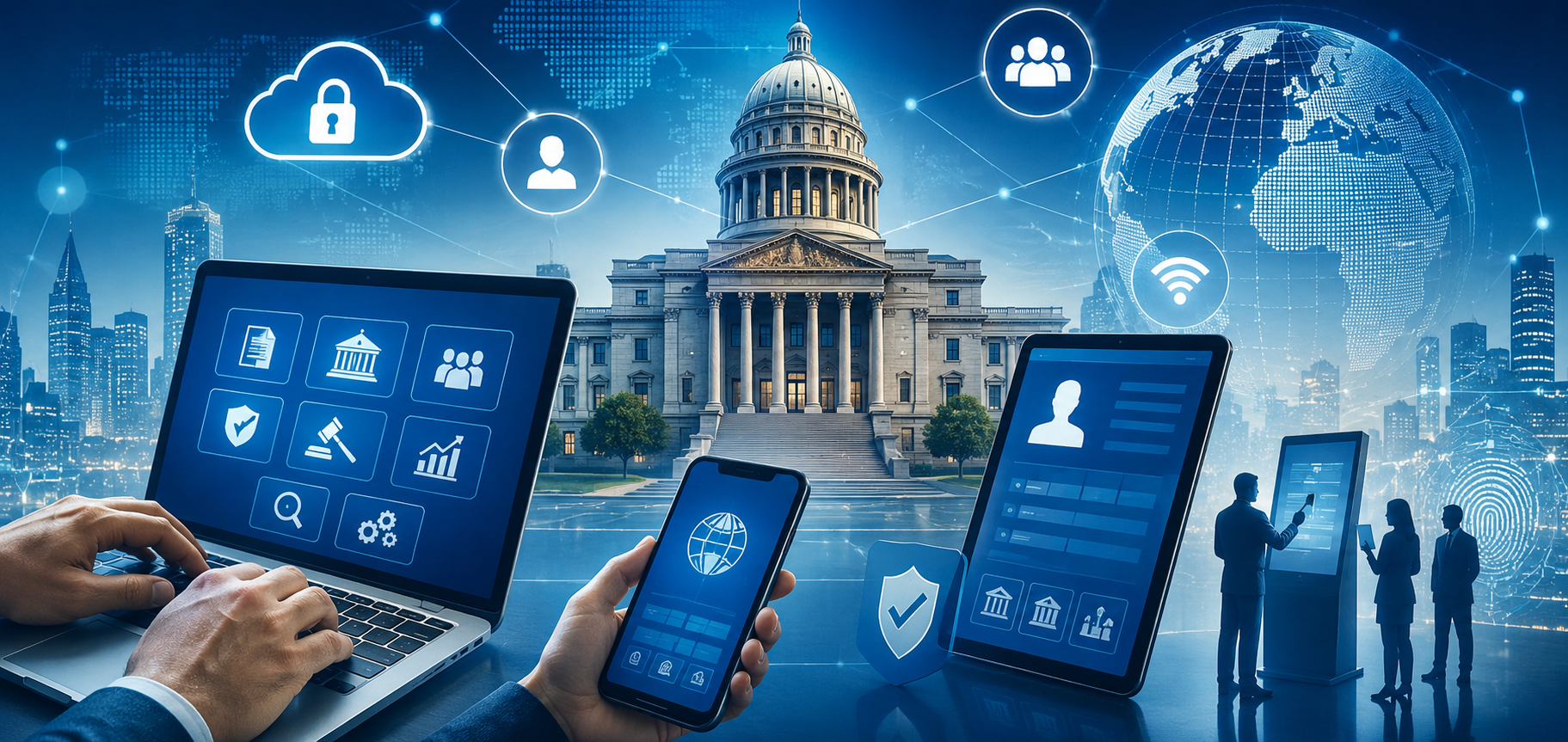

Technology is changing the way we do things. We use it to shop, work, learn and talk to each other. Now it is also changing the way people take part in democracy. Governments around the world are using tools to make public services easier to use be more open and give citizens more chances to be involved in decision-making. This is called Digital Democracy and it is becoming a big part of how governments work.
In the past people had to go to meetings mail documents or wait in long lines at government offices to get things done. Now many of these things can be done online in a few minutes. Citizens can give feedback on proposed laws get information report problems in their community using mobile apps and even take part in online discussions from their own homes.
As we go through 2026 digital democracy is not an idea anymore. It is a part of how governments connect with the people they serve. While there are still problems like cybersecurity and digital inequality the chances for creating open, efficient and inclusive democratic systems have never been better.
What Is Digital Democracy?
Digital democracy is using technology to make democratic participation stronger and improve communication between governments and citizens. It combines democratic values with new technology to create easier and more accessible ways for people to take part in public life.
Of just using physical meetings or paper-based processes governments can use websites, mobile applications, online surveys, digital petitions and public consultation platforms to involve citizens in important decisions.
Digital democracy does not replace elections or representative government. Instead it helps these systems by making participation more convenient and encouraging public engagement throughout the year not just during election time.
Why Digital Democracy Matters More Than Ever
People today expect to be able to get information and services. Whether it is ordering food paying bills or making appointments digital experiences are a part of daily life. So citizens expect governments to offer the level of convenience.
Digital democracy helps meet these expectations by making government services easier to access and encouraging open communication between public officials and citizens.
For example of waiting weeks to attend a local council meeting residents can join online discussions submit suggestions through digital portals or vote on community priorities using secure online systems.
This creates a government that’s more responsive, open and connected to the people it represents.
Benefits of Digital Democracy
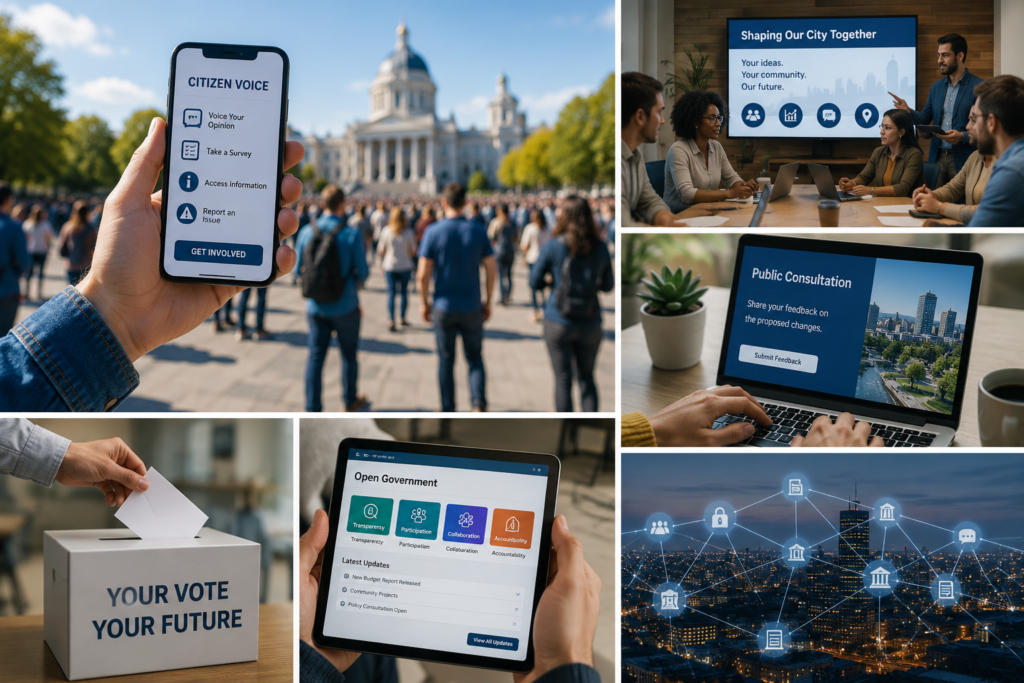
Greater Citizen Participation
One of the advantages of digital democracy is that it gives more people a voice.
Traditional public meetings have limited attendance because of work schedules, transportation issues or family responsibilities. Digital platforms remove many of these barriers by allowing citizens to participate whenever it is convenient for them.
Whether someone lives in a city or a remote rural area they can contribute ideas, complete surveys or provide feedback without leaving home.
Improved Government Transparency
Being open is essential for building trust. Citizens want to know how decisions are made how public money is spent and whether elected officials are keeping their promises.
Digital platforms make it easier for governments to publish budgets policy updates, official reports and legislative documents in time.
When important information is easily available citizens feel more informed and confident about taking part in discussions.
Faster Communication
Communication between governments and citizens has become faster thanks to digital technology.
Of relying on printed notices or lengthy administrative processes governments can instantly share updates through official websites, email newsletters and mobile notifications.
Likewise citizens can quickly report issues such as damaged roads, broken streetlights or environmental concerns using dedicated mobile applications.
Better Public Services
Many government services have already moved online. People can renew licenses submit tax forms apply for permits and access healthcare or education services through portals.
This saves time reduces paperwork and improves efficiency for both citizens and government employees.
Lower Administrative Costs
Digitizing government services also reduces costs.
Online forms eliminate paper waste, automated systems speed up processing times and digital communication reduces mailing expenses. Governments can then redirect resources toward improving public services.
Technologies Driving Digital Democracy
Modern technology is the foundation of democracy. Several innovations are making government services more efficient and secure.
Artificial Intelligence
Artificial intelligence helps governments process amounts of public feedback quickly.
Of manually reviewing thousands of comments AI tools can identify common concerns, analyze trends and organize information to support better decision-making.
Blockchain Technology
Security is one of the concerns in digital governance.
Blockchain offers a way to store records and verify transactions making it a promising technology for digital voting, identity verification and protecting public records from tampering.
Cloud Computing
Cloud-based systems allow governments to manage amounts of information while providing reliable online services.
Citizens benefit from access to digital platforms while government agencies can collaborate more effectively across departments.
Mobile Applications
Government mobile apps have become increasingly popular.
People can receive emergency alerts, report problems, pay bills, access important documents and communicate with public agencies directly from their smartphones.
Challenges Facing Digital Democracy
Despite its benefits digital democracy is not without challenges.
Cybersecurity Threats
As governments move services online protecting sensitive information becomes increasingly important.
Cyberattacks, hacking attempts and data breaches can damage trust if security measures are not strong enough.
Governments must invest in cybersecurity systems to protect both citizen data and public infrastructure.
Digital Divide
Not everyone has access to high-speed internet or digital devices.
Older adults, low-income families and people living in areas may face difficulties accessing online services.
Digital democracy can only succeed if governments ensure that everyone has the opportunity to participate regardless of their location or income.
Privacy Concerns
Citizens expect governments to collect and store information responsibly.
Clear privacy policies, secure data management practices and transparent regulations are necessary to maintain confidence.
Misinformation
False information spreads online.
Social media platforms and digital communication channels can sometimes amplify content making it difficult for citizens to distinguish accurate information from rumors.
Governments, technology companies and independent organizations all play an important role in promoting trustworthy information.
How Digital Democracy Is Changing Citizen Participation
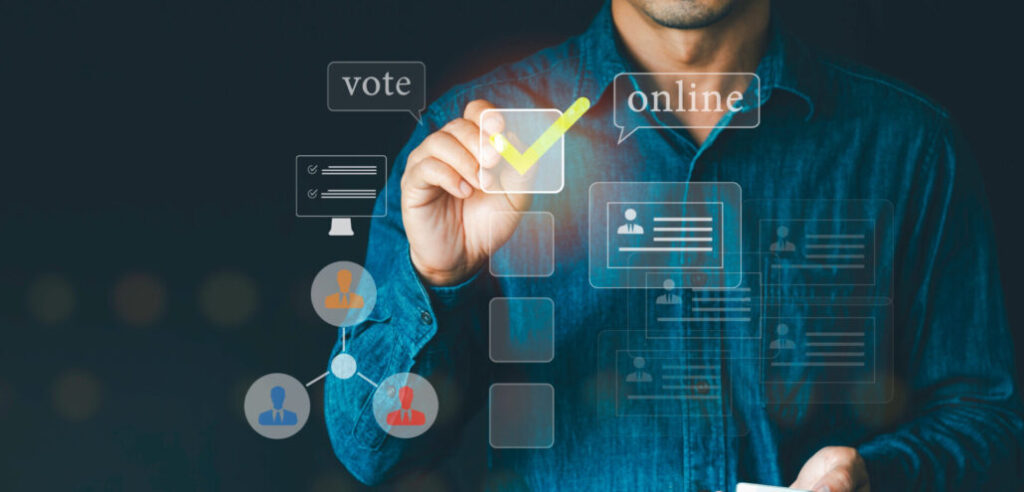
Citizen participation has changed a lot over the past decade.
Today people do not have to wait for elections to make their voices heard. Digital democracy allows for interaction between governments and citizens throughout the year.
Many cities now use platforms where residents can vote on local improvement projects suggest policy ideas or take part in public consultations before important decisions are made.
Some governments livestream parliamentary. Public meetings, allowing citizens to watch discussions in real time and better understand how decisions are reached.
These initiatives encourage civic engagement and help build stronger relationships between governments and communities.
The Future of Digital Democracy
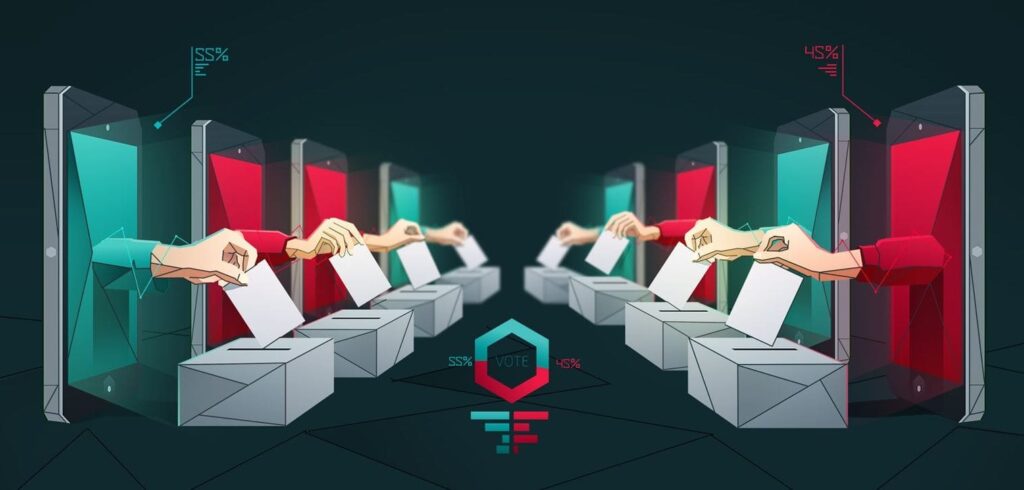
Looking ahead digital democracy is expected to become more advanced.
Artificial intelligence will improve citizen engagement by providing government services and faster responses to public questions.
Blockchain technology may help create secure voting systems that increase confidence in election processes.
Digital identity systems could simplify access to government services while maintaining levels of security.
Virtual public meetings may become more interactive allowing citizens to participate regardless of where they live.
As these technologies continue to mature governments will have opportunities to involve citizens in meaningful ways.
However technology alone is not enough.
Successful digital democracy depends on trust, transparency, accountability and equal access for everyone.
Best Practices for Building Strong Digital Democracy
Governments seeking to strengthen democracy should focus on several key priorities.
First cybersecurity must remain a priority to protect public information and maintain confidence in digital systems.
Second digital inclusion programs should ensure that everyone has access to the internet, digital education and online government services.
Third governments should communicate openly about how public feedback influences policy decisions. When citizens see that their opinions matter they are more likely to stay engaged.
Finally governments should regularly improve services based on citizen feedback making platforms easier to use and more accessible for people of all backgrounds.
Conclusion
Digital democracy is changing the way governments and citizens work together. By using technology to improve transparency, communication and public participation governments can create responsive and inclusive democratic systems.
While challenges such as cybersecurity, misinformation, privacy and digital inequality still require attention the overall direction is clear. Digital tools are making it easier than ever for people to participate in life and contribute to decisions that affect their communities.
As technology continues to evolve digital democracy will play a greater role in shaping modern governance. Countries that invest in inclusive and user-friendly digital systems will be better prepared to meet the expectations of future generations.
Ultimately democracy works best when people have the opportunity to participate. Digital technology is helping make that participation more accessible, more transparent and more meaningful, than before.