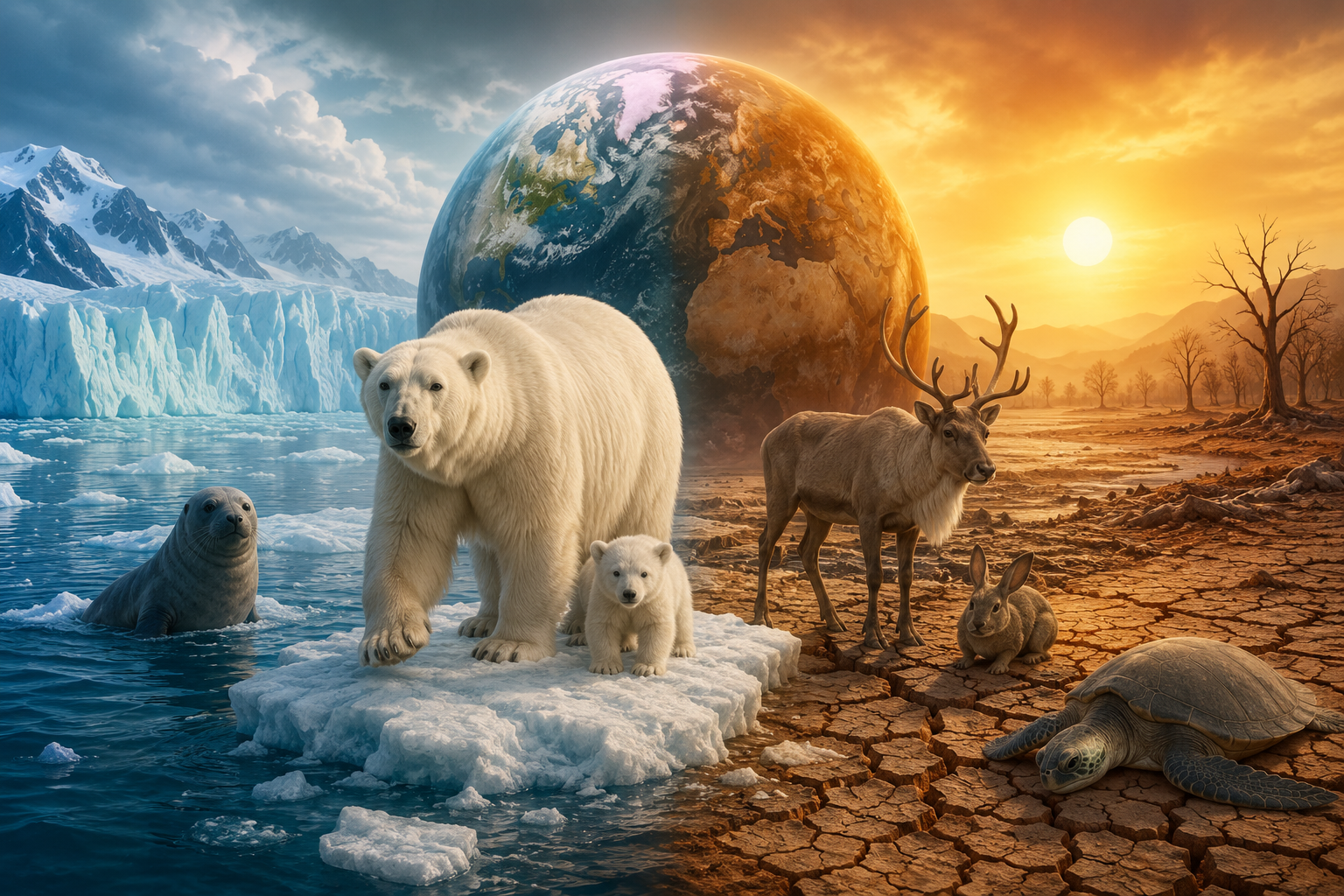
If you’ve ever wondered how does climate change affect animals, the short answer is: almost every way you can imagine, and a few you probably can’t. It’s not just melting ice caps and stranded polar bears, though that image has become the poster child for the issue. The real story is quieter and more widespread — it’s happening in coral reefs, mountain meadows, tundra burrows, and ocean currents most of us will never see.
I want to walk through what’s actually going on, species by species and system by system, because the vague version of this story (“animals are struggling because of warming”) doesn’t really explain much. The specifics are where it gets interesting — and honestly, a little unsettling.
How Climate Change Affect Animals Worldwide?
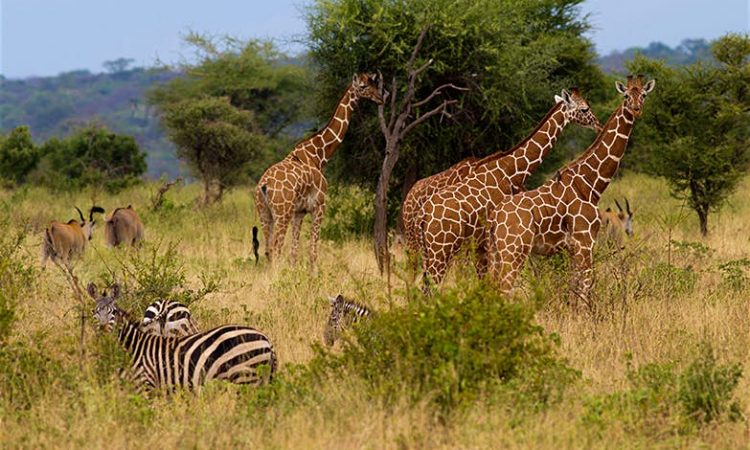
Every animal on Earth has lived in an environment for thousands or millions of years. They have gotten used to the temperature the rain, the food and the time of year. All these things together make it possible for animals to live in their environments.
Climate change is upsetting this balance. The problem is not just that the temperature is changing. The problem is that it is changing fast. Animals cannot adapt enough. Some animals, like insects and frogs can adapt faster than animals like whales and elephants.. No animal is completely safe from the effects of climate change.
1. Animals Are Losing Their Homes
One of the effects of climate change is that animals are losing their homes. As the Earth gets warmer many animals have to move to places. They might move towards the North or South Pole. They might move to higher mountains.
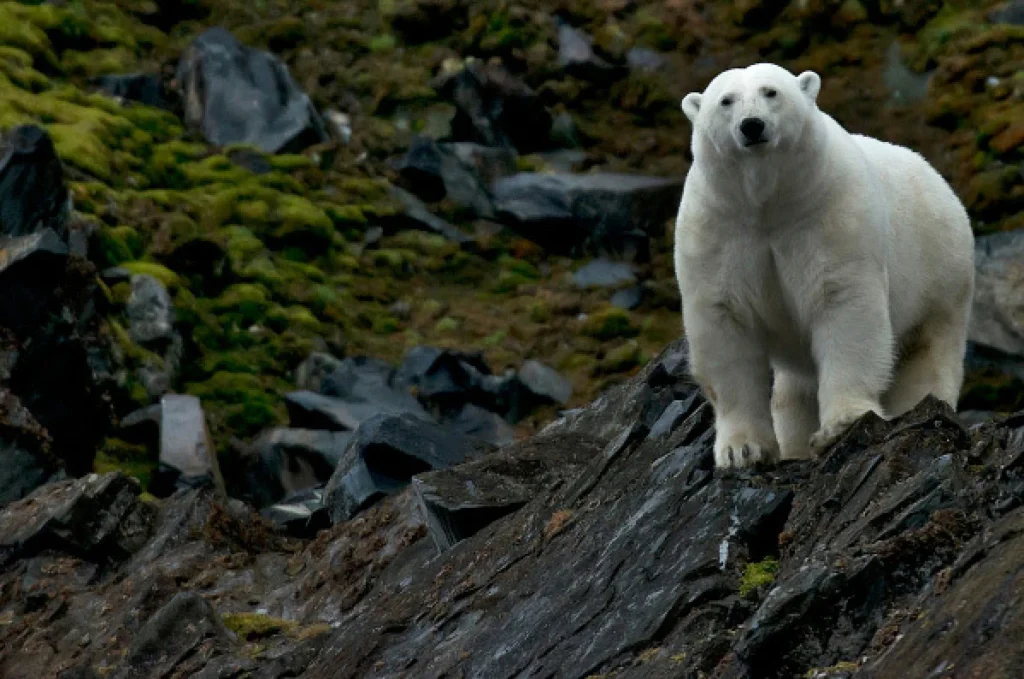
- Polar bears need ice to hunt for food.. The ice is melting earlier in the spring and later in the winter. This means polar bears have time to eat and they are not having as many babies.
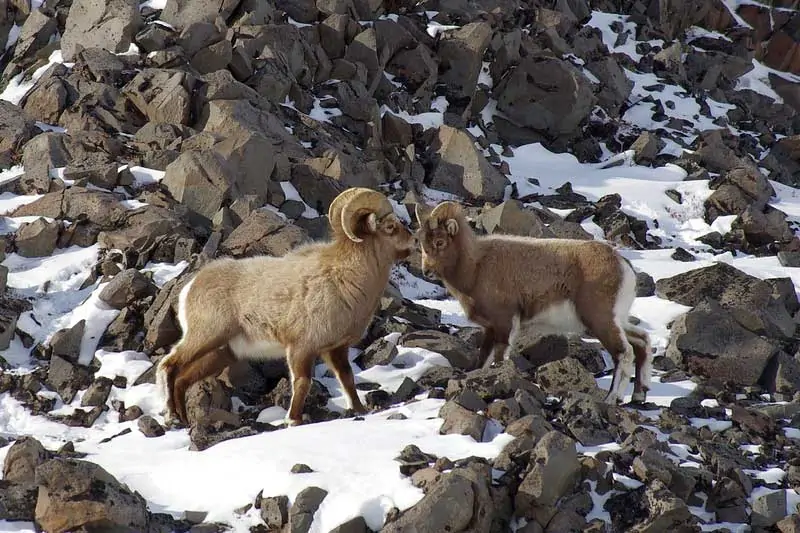
- Animals that live in the mountains like the pika are moving higher up the mountains. This is because it is getting too hot for them at the bottom of the mountains.
- Coral reefs are very sensitive to the temperature of the water. If the water gets a little bit warmer the corals can get sick and turn white. This is called bleaching.
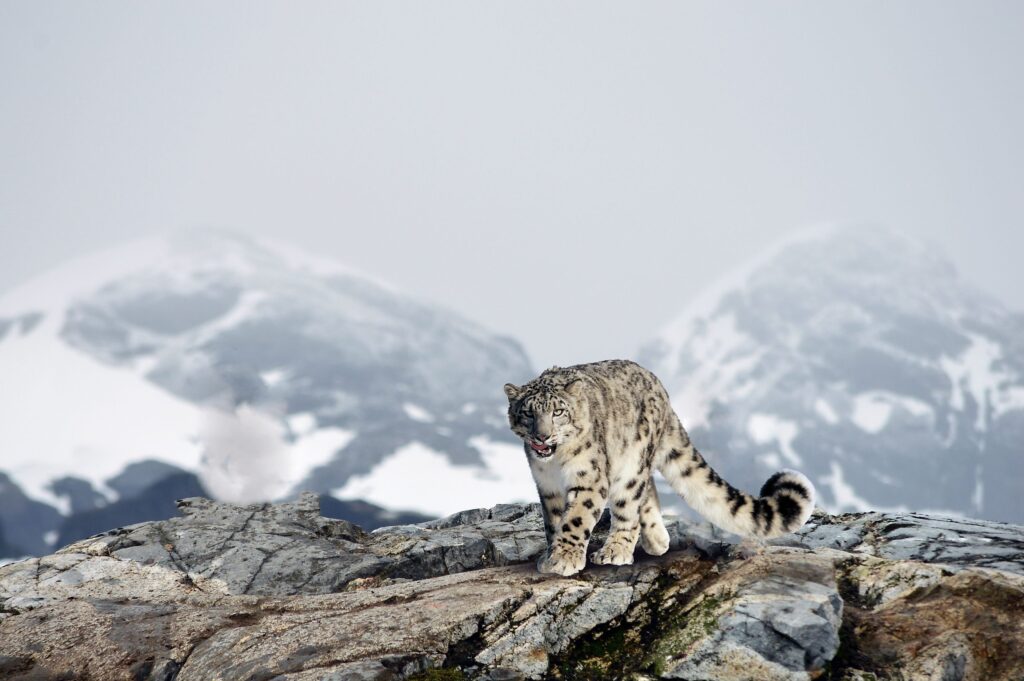
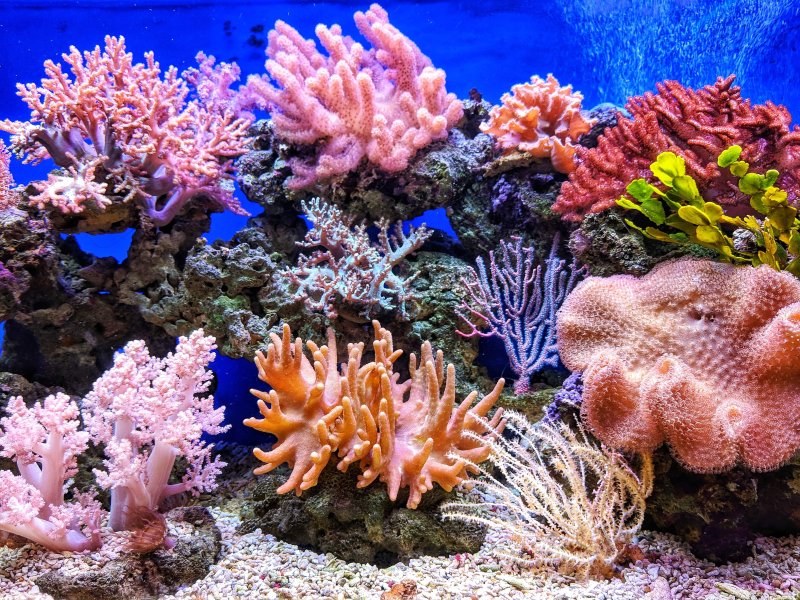
When animals lose their homes they have to live in areas. This means they have to compete with each other for food. It also means they might disappear from an area.
2. Animals Migration and Breeding Patterns Are Changing
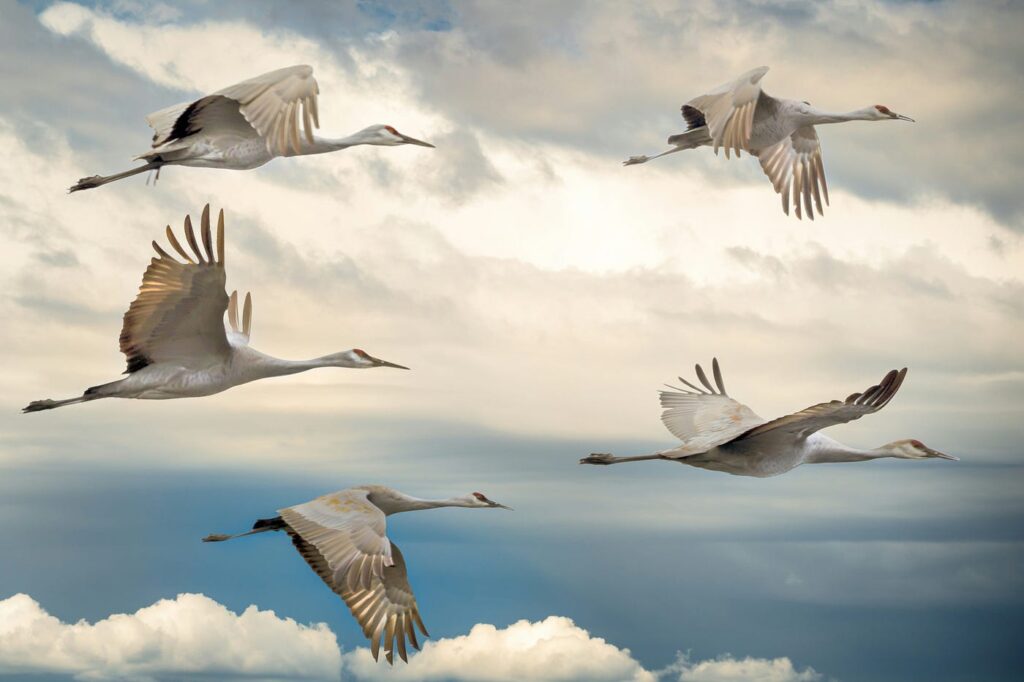
Many animals move to places at different times of the year. They also have babies at times of the year. Climate change is disrupting these patterns.
Some birds fly to places at the same time every year.. Now they might arrive at their new home before there is food for them to eat. This means they might not have babies.
Sea turtles are another example. The temperature of the sand on the beach determines whether a baby sea turtle will be a boy or a girl. As the Earth gets warmer more and more sea turtles are being born female. This is a problem because there need to be males and females for the sea turtles to have babies.
3. The Food Chain Is Being Disrupted
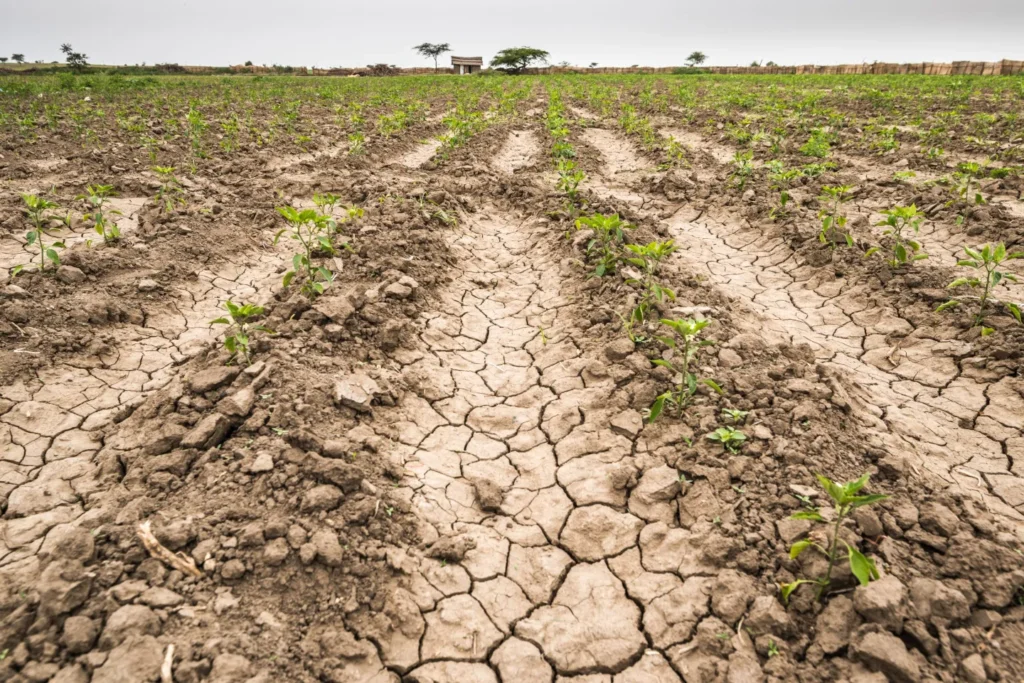
Climate change is not just affecting one animal at a time. It is affecting groups of animals that eat each other.
In the oceans the ice is melting. This means that the tiny plants that live on the ice are not growing well. These plants are food for animals called krill. Krill are food for fish, penguins, seals and whales. If there is not krill all these animals will be hungry.
On land it is getting warmer and drier. This means that the plants that animals eat are not growing well. Animals have to move to find food and water. This makes them more likely to be eaten by predators or get sick.
4. Animals Are Getting Sick Often
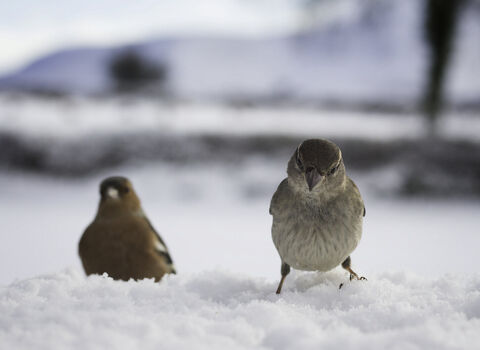
As the Earth gets warmer animals are getting sick more often. This is because the warm weather is allowing sicknesses to spread easily.
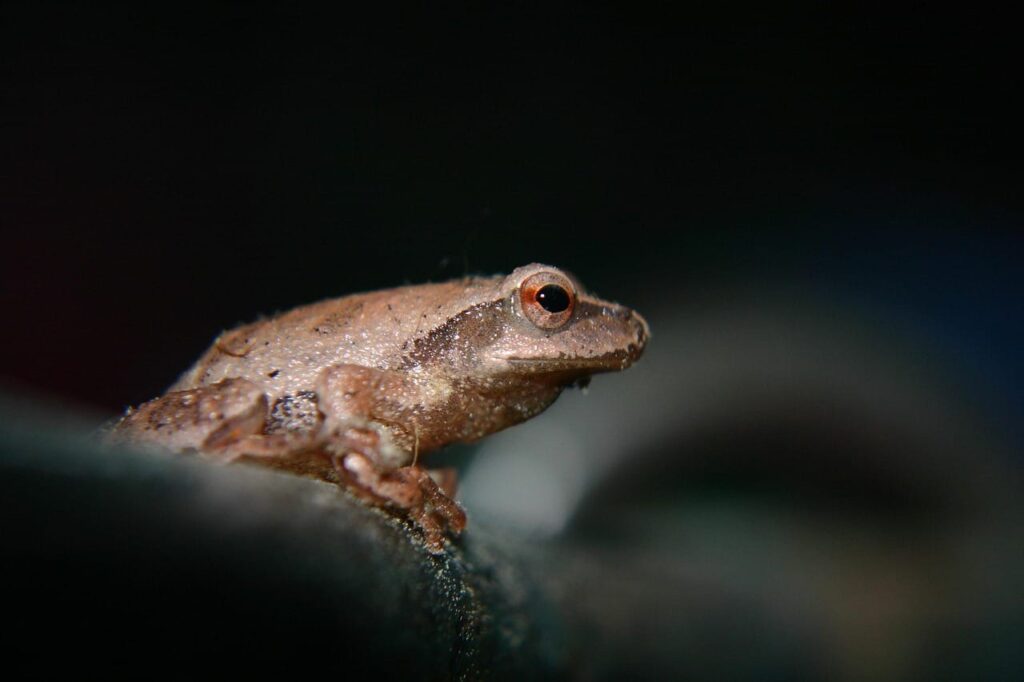
Frogs are an example. There is a kind of fungus that can make frogs very sick. This fungus likes wet weather. As the Earth gets warmer this fungus is. Making more and more frogs sick.
5. The Ocean Is Becoming More Acidic
The ocean is absorbing more carbon dioxide from the air. This is making the ocean more acidic. This makes it harder for animals like clams and oysters to build their shells.
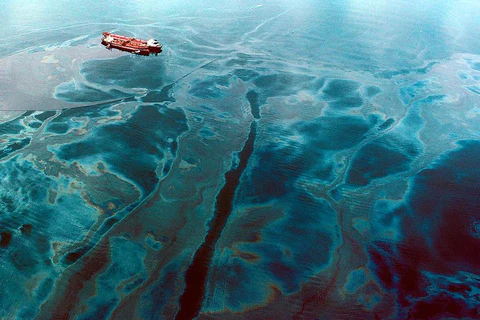
In the oceans some animals are moving to new homes because the water is becoming too acidic.. Some animals are too old or too weak to move. They are dying because of the water.
6. More Animals Are in Danger of Disappearing
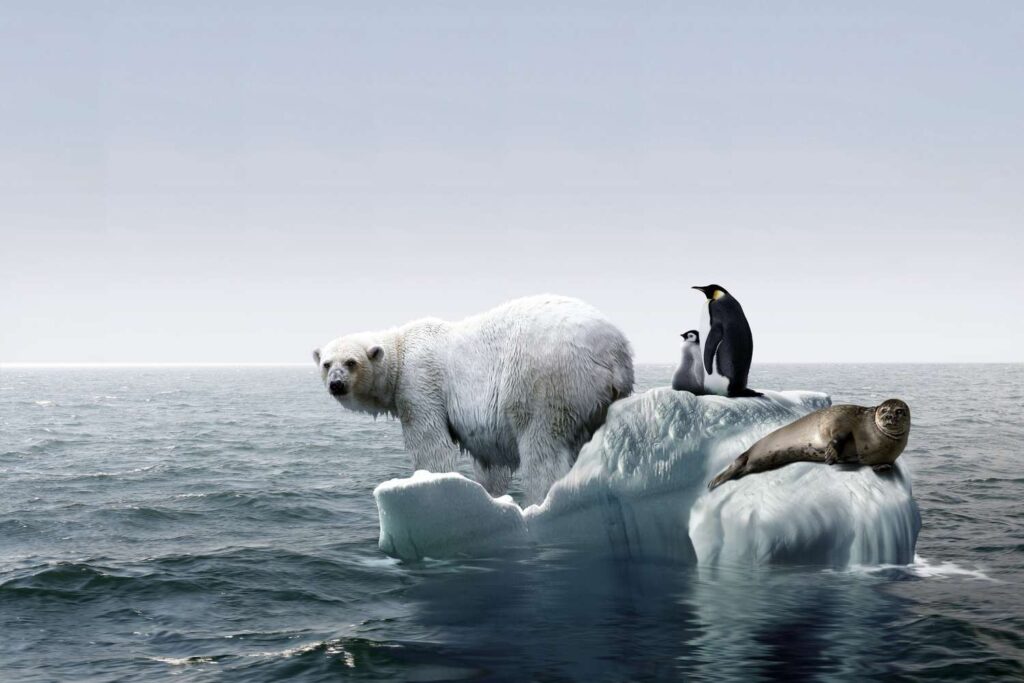
When animals lose their homes do not have food and get sick more often they are more likely to disappear. This is happening fast. It is happening faster than it has in the past.
Some animals are more likely to disappear than others. These are animals that only live in a few places or animals that do not have babies.
7. Some Animals Are Doing Better
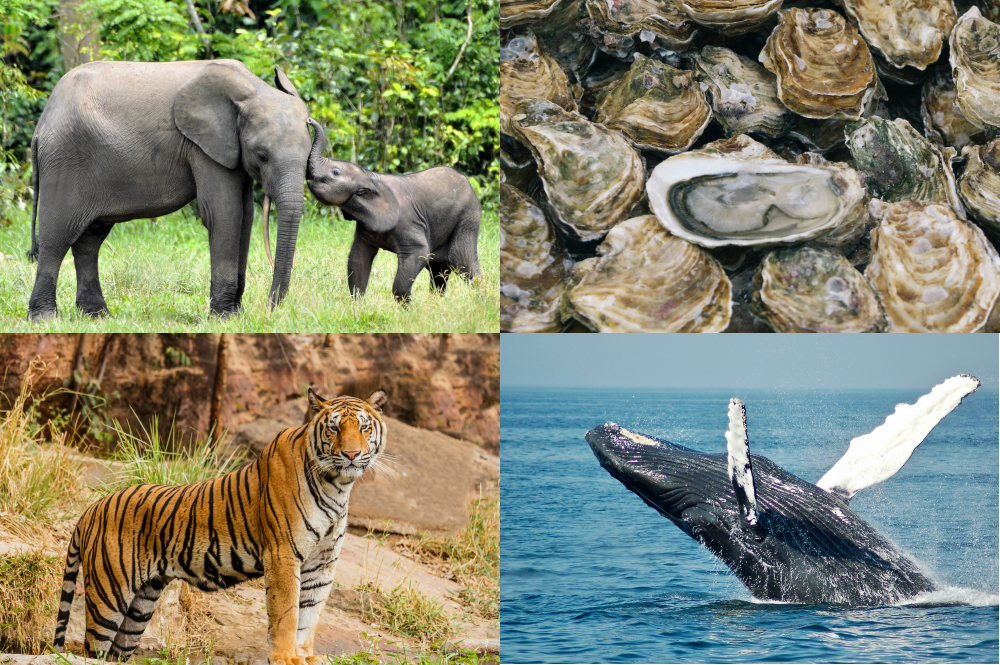
It is not all news. Some animals are actually doing better because of climate change. These are animals that can adapt quickly or animals that can eat different kinds of food.
These animals are not the norm. Most animals are struggling because of climate change.
What Is Being Done to Help Animals
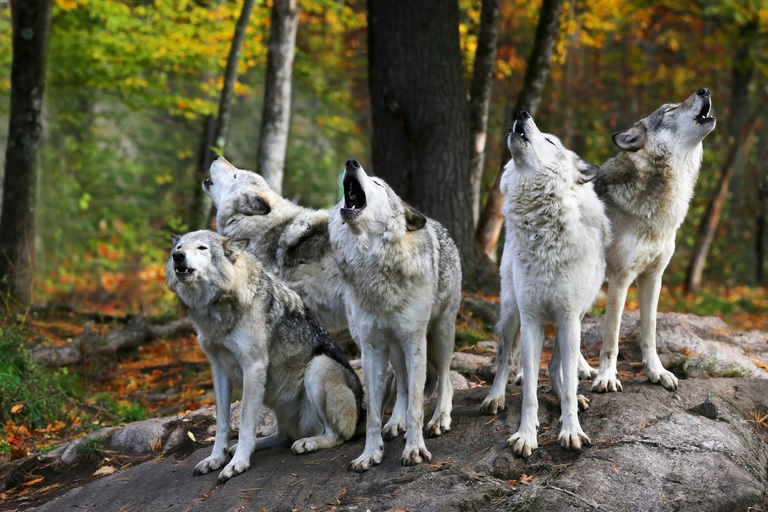
There are people working to help animals because of climate change. They are doing things like:
- Making areas where animals can live safely
- Helping animals have babies in safe places
- Planning for the future so that animals will have homes
- Trying to reduce the bad things that people are putting into the air
We can all help animals by being kind to the Earth. We can plant trees and not waste water. Also we can help by learning more about climate change and how it is affecting animals.
Final Thoughts
So, how does climate change affect animals? Not in one way, but in dozens of overlapping ones — shrinking habitats, scrambled migration schedules, disrupted food chains, more aggressive disease, acidifying oceans, and, for the most vulnerable species, a real risk of extinction.
It’s easy to treat this as a distant problem, something happening to polar bears in a place most of us will never visit. But the same forces reshaping Arctic ice are reshaping fisheries, pollinator populations, and food systems that billions of people rely on. What happens to animals now is a pretty reliable preview of what happens to everything else.