
Artificial intelligence is a big deal these days. It is used in many things like virtual assistants and self-driving cars. Artificial intelligence helps doctors figure out what is wrong with people and helps businesses work more efficiently. As AI technology advances, governments around the world are introducing new rules to ensure it is used responsibly. The latest AI Regulation News Today EU US highlights major policy updates from the European Union and the United States that could reshape the future of artificial intelligence
The European Union and the United States are taking different approaches to regulating artificial intelligence, but both governments recognize its growing influence and are introducing policies to ensure its responsible development and use. The latest AI Regulation News Today EU US highlights how these new regulations will affect businesses, developers, and consumers across Europe, North America, and many other regions around the world.
Why Artificial Intelligence Regulation Is Becoming Essential
Artificial intelligence is not just for companies anymore. All kinds of businesses use intelligence to help their customers understand what people are buying make new content and get work done faster. Governments also use intelligence to make things better for people like transportation, healthcare and education.

As artificial intelligence gets more advanced people are getting a little worried. Sometimes artificial intelligence can give answers make unfair decisions or use personal information without asking. There are also problems like fake videos, automated scams and artificial intelligence spreading false information.
The European Union and the United States are trying to make sure that artificial intelligence is used in a way that helps people without hurting their privacy or security. They do not want to slow down innovation. They want to make rules that help companies make artificial intelligence that people can trust.
European Union Strengthens Its Leadership in Artificial Intelligence Regulation
One of the biggest highlights in the latest AI Regulation News Today EU US is the European Union’s commitment to strengthening a comprehensive legal framework for high-risk AI systems. Through these updated regulations, the EU aims to improve transparency, strengthen accountability, and require organizations to develop and use advanced AI technologies safely across critical sectors.
If an artificial intelligence is not very risky like a recommendation system it does not have to follow as rules..Organizations that use artificial intelligence in critical sectors such as healthcare or banking must meet much stricter regulatory standards.
The European Union is making these rules even stronger by focusing on transparency, human oversight, cybersecurity and making sure artificial intelligence systems are working correctly. Companies that make artificial intelligence may have to show how they trained their systems what risks they might have and prove that they follow the rules before they can sell their products.
People who support this approach think it will make people trust intelligence more and encourage companies to make safer products from the start.
The United States Focuses on Innovation and Responsible Development
The United States is taking an approach. Of making one big rule for all artificial intelligence they are making guidelines for each industry. This lets each industry figure out how to use intelligence in a way that works for them.
The United States aims to remain a global leader in artificial intelligence research while promoting the responsible development and use of AI technologies. Policymakers are introducing measures to improve transparency, strengthen cybersecurity, and ensure that organizations use artificial intelligence fairly while respecting individuals’ privacy rights. This approach encourages innovation while establishing practical safeguards that support ethical and accountable AI development.
This approach lets regulations change as technology changes without getting in the way of innovation.
Key Differences Between the EU and US Approaches
European Union and the United States have ways of regulating artificial intelligence. The European Union makes rules that companies have to follow while the United States gives industries more freedom to figure things out on their own.

The European Union wants companies to be very clear about how they use intelligence especially in important areas like healthcare. The United States is more focused on letting industries come up with their best practices with the government providing guidance.
Even though they are different both the European Union and the United States think that artificial intelligence should be transparent, secure and fair.
What These Updates Mean for Businesses
For businesses these new rules mean they have to be more careful about how they use intelligence. Companies that use intelligence for customer service, marketing or other things may have to follow new rules depending on where they are.
Businesses have to understand how their artificial intelligence systems work find problems before they happen protect customer information and keep an eye on how their artificial intelligence is doing.
Companies that work in countries have to navigate different rules in each place. This might require work and money to make sure they are following all the rules but it can also help them build trust with their customers and avoid legal problems.
Artificial Intelligence Developers Face Higher Expectations
The people who make intelligence like software engineers and researchers have to be more careful now. They have to make sure their artificial intelligence systems are fair explainable, secure and respectful of peoples privacy.

Many companies are making rules for themselves like having ethics committees, testing for bias and making sure their artificial intelligence is high quality before they release it.
The new rules mean that making artificial intelligence is not just something companies have to do but also something that can help them stand out from others.
Consumers Stand to Benefit
One of the goals of regulating artificial intelligence is to protect consumers. As artificial intelligence becomes part of everyday life, companies should clearly inform people when they are interacting with AI and explain how they collect, use, and protect their personal information.
Stronger rules can help reduce discrimination, protect data stop the spread of information and make sure companies are responsible for the decisions their artificial intelligence systems make.
When people trust intelligence more they are more likely to use it and benefit from it.
Challenges That Still Remain
Regulating intelligence is very hard. Technology changes faster than laws so it is difficult to make rules that will still work in the future.
Governments have to balance priorities.Governments must strike the right balance because excessive regulation can limit innovation, while insufficient regulation can increase the risks associated with artificial intelligence.
Another challenge is working with countries. Artificial intelligence is used around the world but laws are different in each country. To be successful countries might have to work to make shared standards for artificial intelligence.
The Future of Global Artificial Intelligence Governance
The new rules from the European Union and the United States are the beginning. As artificial intelligence keeps changing governments will have to update their rules to deal with challenges.
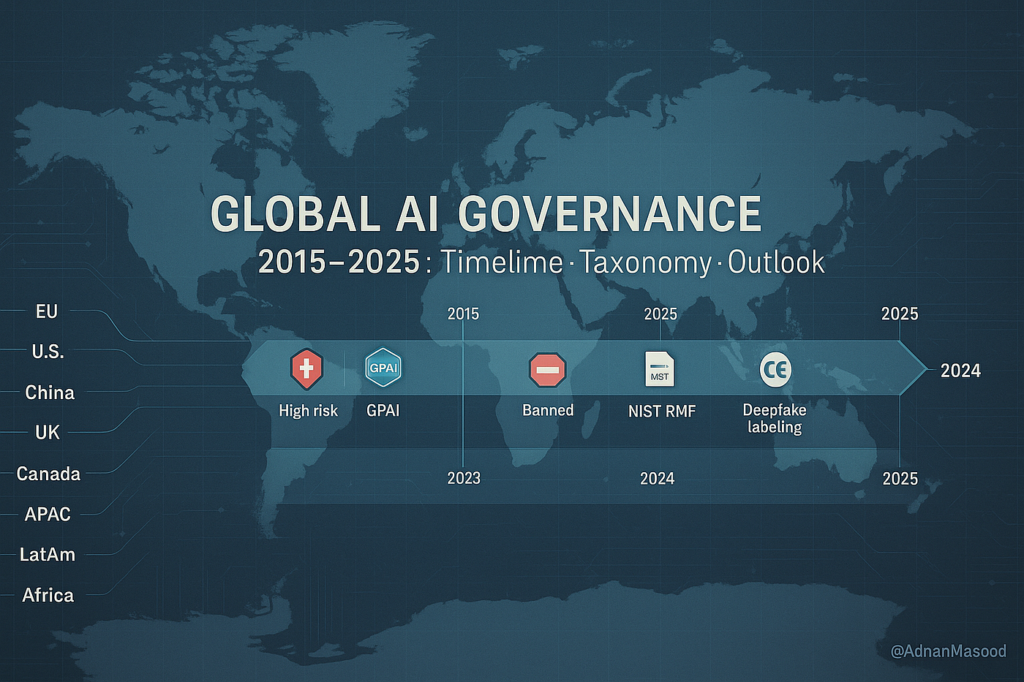
Companies that are responsible and follow principles will be better prepared for the future. Of seeing rules as a problem many experts think that clear standards will help innovation by making people more confident in artificial intelligence.
Conclusion
The latest AI Regulation News Today EU US demonstrates that artificial intelligence has entered a new phase of global governance. While the European Union and the United States have adopted different regulatory approaches, both aim to encourage innovation while protecting individuals, businesses, and society from emerging risks.
Even though they are doing things differently both the European Union and the United States think that artificial intelligence should be transparent, secure and fair. These new rules will shape how artificial intelligence is developed and used for a time.
For businesses, developers, governments and consumers it is important to stay informed about the changing rules for intelligence. As artificial intelligence continues to reshape the world, responsible governance will play a crucial role in ensuring that organizations use AI ethically, safely, and sustainably for the benefit of society.