The way companies do business is changing fast. Digital transformation is no longer something you can choose to do or not. It is something you have to do. Two things that are helping with this transformation are ERP and cloud computing. These are tools that help businesses work better cut costs and make better decisions. More and more companies are using cloud-based ERP systems because they are flexible, easy to access and give you control over your business in time.
In 2026 companies need systems that’re fast, smart and connected so they can compete. ERP and cloud computing let you manage money, inventory, customer relationships and employees all in one place. This helps companies work better and creates an efficient workplace.
Understanding
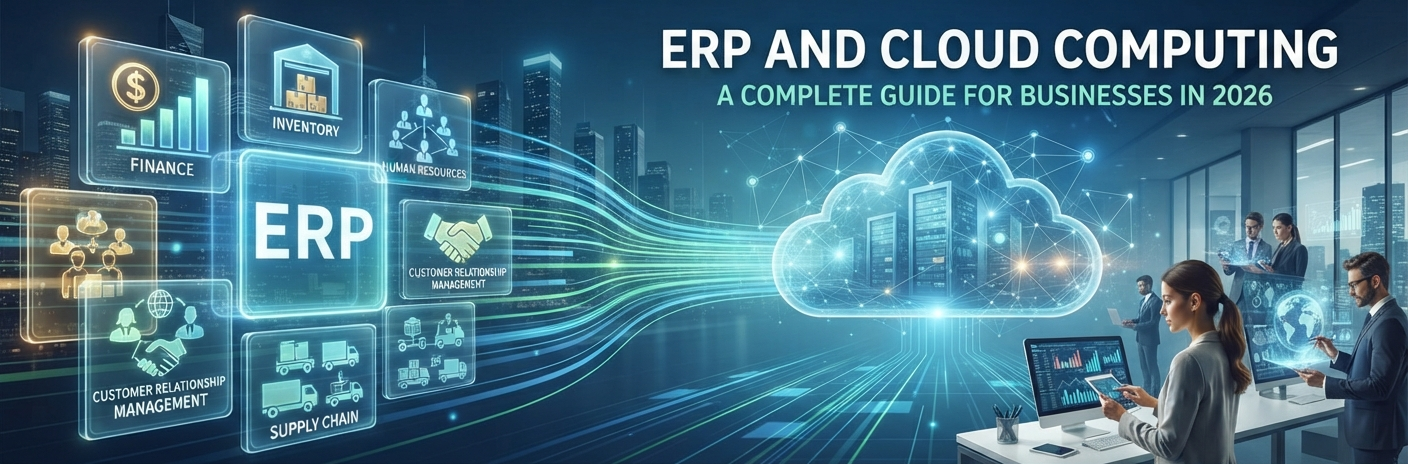
ERP is a system that helps parts of a company work together. It brings everything into one place so you can see what is going on. You do not need systems for accounting, sales and inventory. ERP does it all. This helps companies get the information reduces paperwork and helps teams work together better.
Cloud computing is a way to get services like software and storage over the internet. You do not need to buy computers and equipment. You can just use the cloud when you need it. Cloud computing is flexible, secure. Can grow with your business.
When you put ERP and cloud computing together you get Cloud ERP. This is a tool that lets companies manage their business online without spending a lot of money on equipment and maintenance.
How Cloud ERP Is Transforming Businesses
Old ERP systems used to require a lot of money for equipment, installation and maintenance. Cloud ERP changes all that. Companies can now access their ERP system over the internet. The service provider takes care of updates, security and maintenance. This means companies can focus on their business.
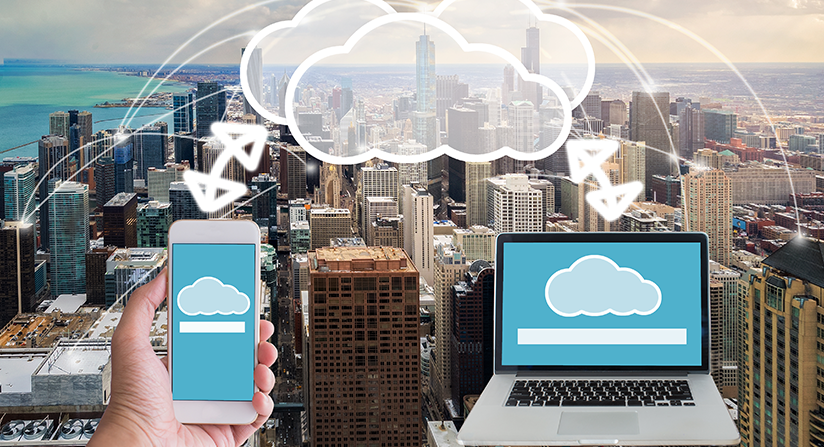
One of the things about ERP and cloud computing is that you can access your business information from anywhere. Employees can see reports do their work and work with their team from anywhere. This is really important now that more companies are letting employees work from home or from locations.
Cloud ERP also gives you a view of your business. You can see how your company is doing in time. You can see sales, inventory and customer information instantly. This helps companies make decisions and respond to changes in the market.
Benefits of ERP and Cloud Computing for Businesses
Using ERP and cloud computing has a lot of benefits for businesses. One of the benefits is that it saves you money. Old ERP systems used to cost a lot of money. Cloud ERP is cheaper because you only pay for what you use.
ERP and cloud computing also help companies work better. By automating tasks and connecting parts of the business ERP systems reduce paperwork and mistakes. Employees can focus on things that help the business grow.Cloud ERP also helps teams work together better. Everyone can see the information and work together more easily. This reduces mistakes. Makes the business more efficient.
Cloud ERP also keeps your business information safe. Cloud providers use security measures to protect your data. This helps businesses keep their information safe and reduces security risks.
Important Features of Cloud ERP Solutions
Modern Cloud ERP systems have a lot of features that help businesses work better. Financial management tools help companies handle money, budgets and financial reports all in one place. This gives you control over your finances and helps you plan for the future.
Inventory and supply chain management features help companies track products and manage inventory. This helps reduce waste and ensures that products are available when customers need them.Customer Relationship Management (CRM) integration helps companies keep track of customer information and improve customer service. By understanding what customers want businesses can create experiences and build stronger relationships.
Human Resource Management (HRM) features help companies manage employee records, payroll and recruitment. This creates an organized approach to managing employees and improves HR efficiency.
Across Different Industries
All kinds of businesses are using ERP. Manufacturing companies use ERP to improve production planning and manage inventory. Retail businesses use cloud ERP to track sales and improve customer experiences.Healthcare organizations use ERP to manage tasks and financial processes. Educational institutions use ERP to improve student management and internal communication.
Construction and logistics companies also use ERP and cloud computing to manage projects and operational activities. Cloud ERP is flexible. Can be used by companies with complex processes and multiple locations.
Cloud ERP vs Traditional ERP Systems

The main difference between cloud ERP and traditional ERP is how the system is hosted and managed. Traditional ERP requires companies to install software on their equipment and handle maintenance. This can be expensive. Requires technical expertise.
Cloud ERP is different. The system is hosted online. Maintained by the service provider. This means companies do not need to buy equipment or manage updates.
Because of these benefits many companies are choosing ERP over traditional ERP systems.
Challenges of Implementing Cloud ERP
While cloud ERP has a lot of benefits companies need to plan when implementing it. Moving data from systems to a new ERP platform can be challenging. Companies need to make sure their data is accurate and secure during the migration process.
Employee training is also important. Companies need to make sure employees understand how to use the system and provide support to help them learn.Companies also need to choose the right cloud ERP provider that meets their business needs and budget. Choosing the solution can create unnecessary complexity and reduce the benefits.
Future of ERP and Cloud Computing in 2026
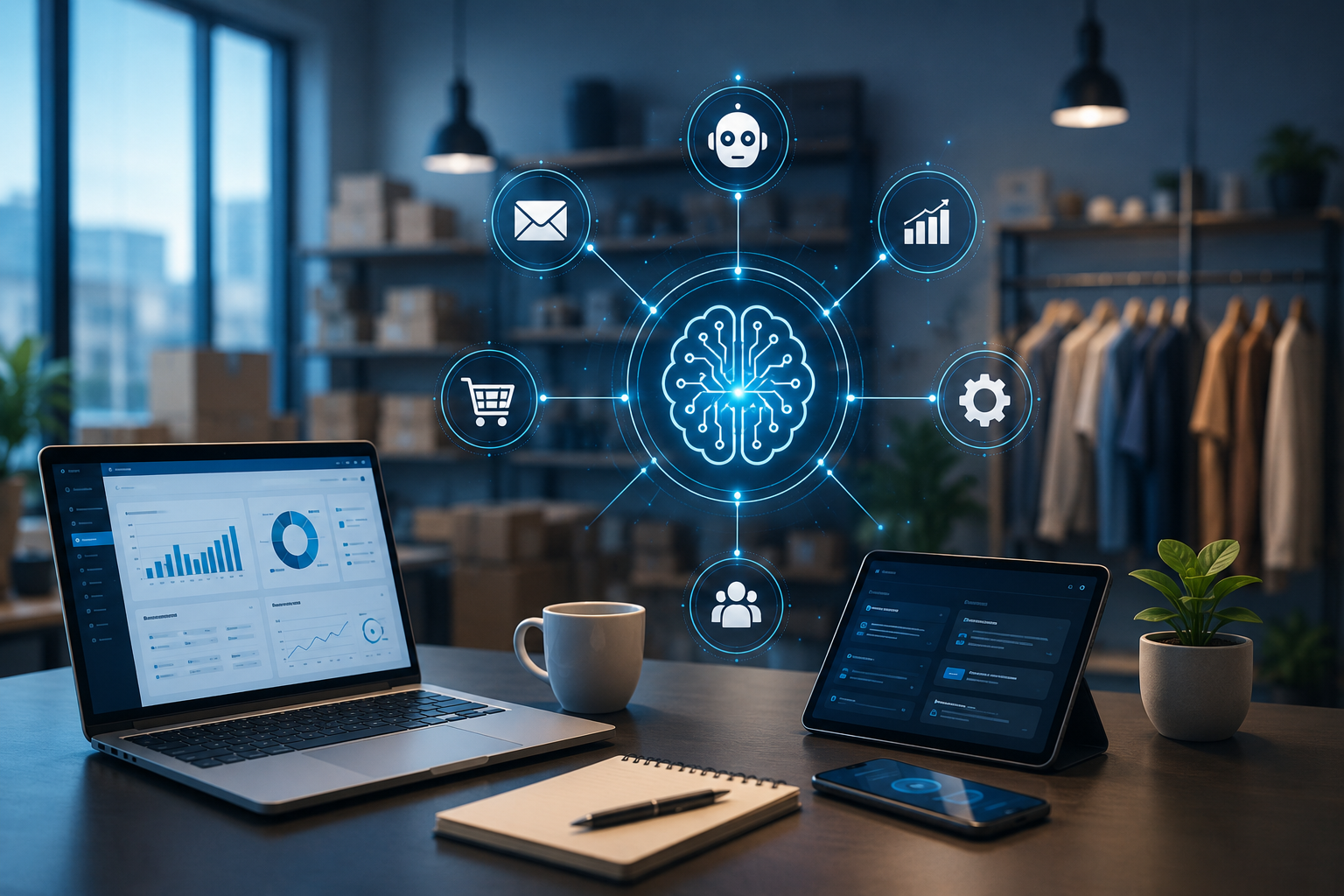
The future of ERP and cloud computing is looking bright. New technologies like intelligence and automation are being integrated into ERP systems. Powered ERP systems can analyze data predict trends and provide recommendations to improve decision-making.
Automation is also reducing tasks. Companies can automate processes like invoice management and customer communication allowing employees to focus on important tasks.As companies continue to prioritize transformation cloud ERP will become an essential tool for improving efficiency and competitiveness. Companies that adopt these technologies will be better prepared to handle challenges.
Conclusion
ERP and cloud computing are changing the way businesses work in 2026. By combining business management capabilities with flexible cloud technology companies can improve productivity reduce costs and gain valuable insights, from real-time data.
Cloud ERP provides businesses with the tools they need to adapt, grow and compete in a changing digital environment. Whether you are a business or a large enterprise adopting ERP and cloud computing solutions can help you create more efficient processes improve collaboration and achieve long-term success.