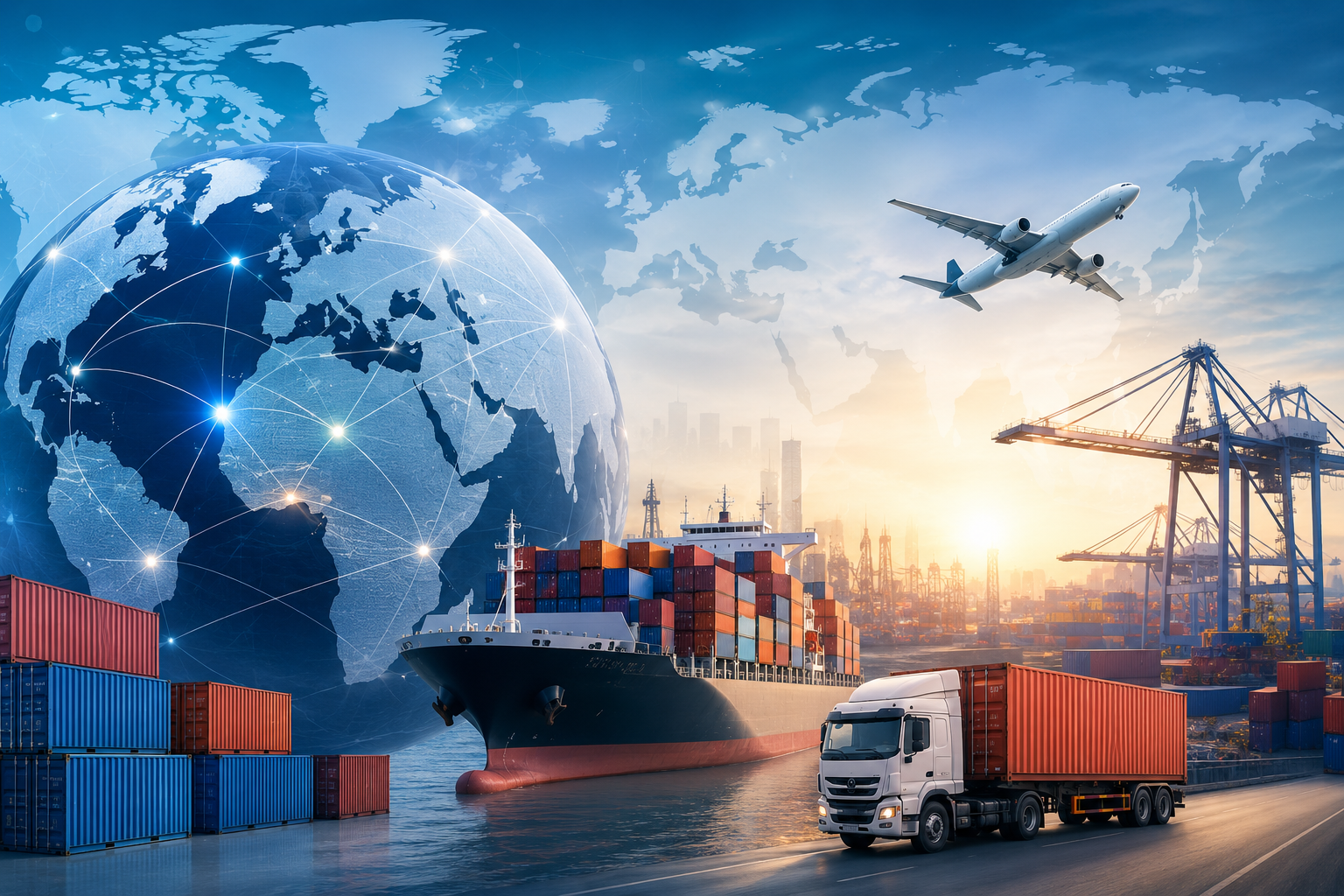
The world of trade is changing really fast. New technology, changes in how countries get along. People wanting different things are making governments think about how they handle trade with other countries. As countries try to get more people to invest in them and sell things to other countries their trade policies are becoming more important than ever. Companies that import, export, or partner with international businesses must understand these changes to stay competitive and succeed in today’s interconnected global economy.
Foreign Trade Policy in 2026 is not about taxes on imports and exports anymore. It also includes things like trade making things in a way that is good for the environment and making sure supply chains are strong. Governments are trying to help their countries industries while also making it easier for companies to do business with other countries. These changes are creating opportunities for companies that are willing to try new things and follow the new rules that countries are making.
Whether you make things sell things to countries buy things from other countries start your own business or invest in businesses understanding foreign trade policy can help you make good decisions avoid problems and find new ways to grow your business. This article talks about what foreign trade policy’s the big changes that are happening in 2026 and what will shape the future of trade between countries.
What Is Foreign Trade Policy?
Foreign trade policy is like a plan that a government makes to control how goods and services move in and out of its country.It includes laws, regulations, trade agreements, and economic strategies that govern how countries import and export goods and services while supporting national economic growth.
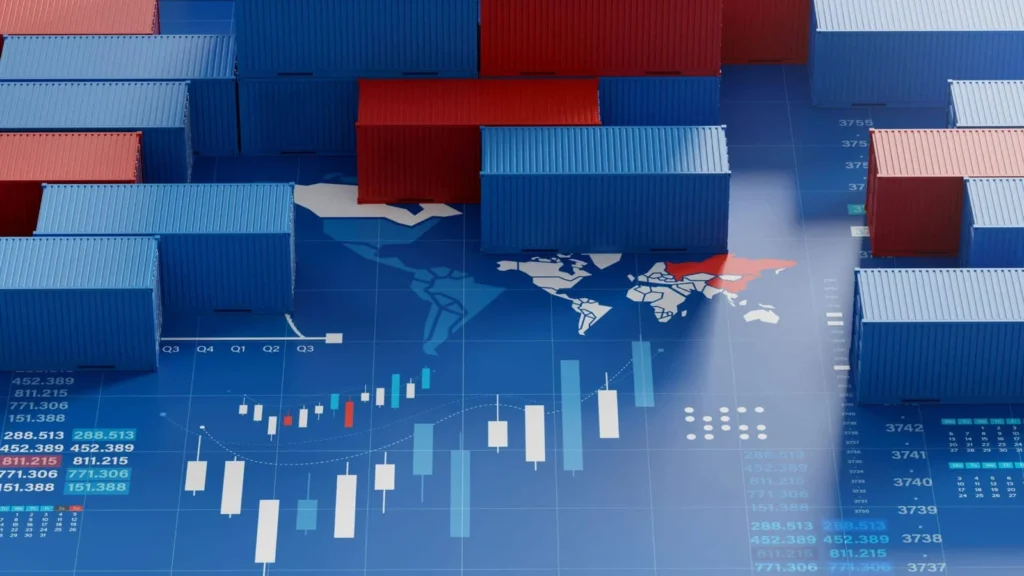
Each country makes its own foreign trade policy based on what it wants to achieve. Some countries want to sell things to other countries to create jobs and earn money. Others want to protect their industries from too much competition from other countries. Many countries try to do both by encouraging trade with countries while also protecting their own businesses and people.
A good trade policy makes it easy for companies to do business simplifies trade with countries attracts investment and helps the economy grow. It also sets standards for quality, customs procedures and trade agreements that help companies do business in countries with confidence.
As trade between countries becomes more connected foreign trade policy plays a role in shaping the global economy.
Why Foreign Trade Policy in 2026 Matters More Than Ever
The world economy has changed a lot in the few years. Inflation tensions between countries, problems with supply chains and new technology have changed how companies do business with countries. Governments are responding by making trade policies that help their economies be stronger and work better with other countries.
One big reason Foreign Trade Policy in 2026 is important is that digital commerce is growing fast. Companies of all sizes can now sell things to people in countries through the internet. As more people buy things from countries online governments are making customs procedures easier simplifying paperwork and creating secure digital trade systems that make international trade faster and more efficient.
Another important thing is that companies are trying to make their supply chains stronger. Many companies have learned that depending much on one supplier or place to make things can be risky. Governments are encouraging companies to make things in than one place and work with other countries in their region to reduce problems caused by conflicts, natural disasters or transportation issues.
Companies are also trying to be more sustainable and protect the environment. Countries are making rules that encourage companies to make things in ways use resources responsibly and reduce carbon emissions. Companies that care about the environment are often better at competing in markets where people care more and more about these issues.
These changes show that foreign trade policy is not just something governments care about. It directly affects how companies make things move goods around enter markets and compete with other companies around the world.
The Primary Objectives of Foreign Trade Policy
Every country’s foreign trade policy aims to support long-term economic growth while protecting its national interests. Even though different countries have priorities most governments have similar goals for their trade policies.
One main goal is to sell things to other countries. When a country sells a lot of things to countries it earns money creates jobs and helps its industries grow. Governments often help companies sell things to countries by giving them money making it easier to get loans reducing taxes and helping them get into international markets.
Another important goal is to control what comes into the country. Imports give companies and people things they might not be able to get in their country. At the time governments watch imports closely to protect their own industries make sure products are good quality and keep people safe. Governments use import tariffs, quality standards, customs inspections, and import regulations to manage the flow of goods entering the country.
Foreign trade policy also tries to attract investment from countries. Investors like countries with rules, easy customs procedures and stable trade environments. When other countries invest in a country it helps build infrastructure brings in technology and creates jobs, which are all good for the economy.
Finally governments use trade policy to help their own industries compete better. By encouraging innovation, productivity and higher standards companies can compete better in markets and respond to changes in what people want around the world.
Key Components of Foreign Trade Policy in 2026
While trade policies are changing some important parts remain the same. Understanding these parts helps companies get ready for changes in regulations and compete better globally.
Taxes on imports are still important for trade. They can affect how much things cost when they are imported. Governments might. Decrease these taxes to help their own manufacturers or to make trade relationships stronger. Even small changes in these taxes can affect how companies price their products what it costs to make things and how competitive they are in the market.
In addition to taxes governments are using rules that are not about taxes. These include standards for product quality rules to protect the environment requirements for health and safety technical checks, customs paperwork and rules for packaging. While these rules often make products safer and better quality companies have to follow them to keep selling things in markets.
Trade agreements are another part of modern foreign trade policy. These agreements between two or more countries reduce barriers to trade make customs procedures simpler and encourage countries to work economically. They create opportunities for companies by reducing costs and making it easier to sell things in other countries.
Governments are also spending a lot of money to modernize their customs systems. Digital customs systems, automated checks at borders, electronic certificates for trade and using intelligence for paperwork are making international trade faster and more efficient. These technological improvements reduce delays, lower costs. Improve how supply chains work for companies that trade with other countries.
How Foreign Trade Policy in 2026 Is Transforming Global Business
Modern trade policies are changing how companies do business around the world. Companies have access to global markets than ever but they also face more complex rules and higher expectations about sustainability, transparency and digital compliance.
Digital transformation is a driver of change. Companies are using cloud-based platforms for logistics, artificial intelligence, electronic paperwork and real-time monitoring of supply chains to improve how they work. Governments are supporting these innovations by making policies that encourage secure trade and simplify customs procedures.
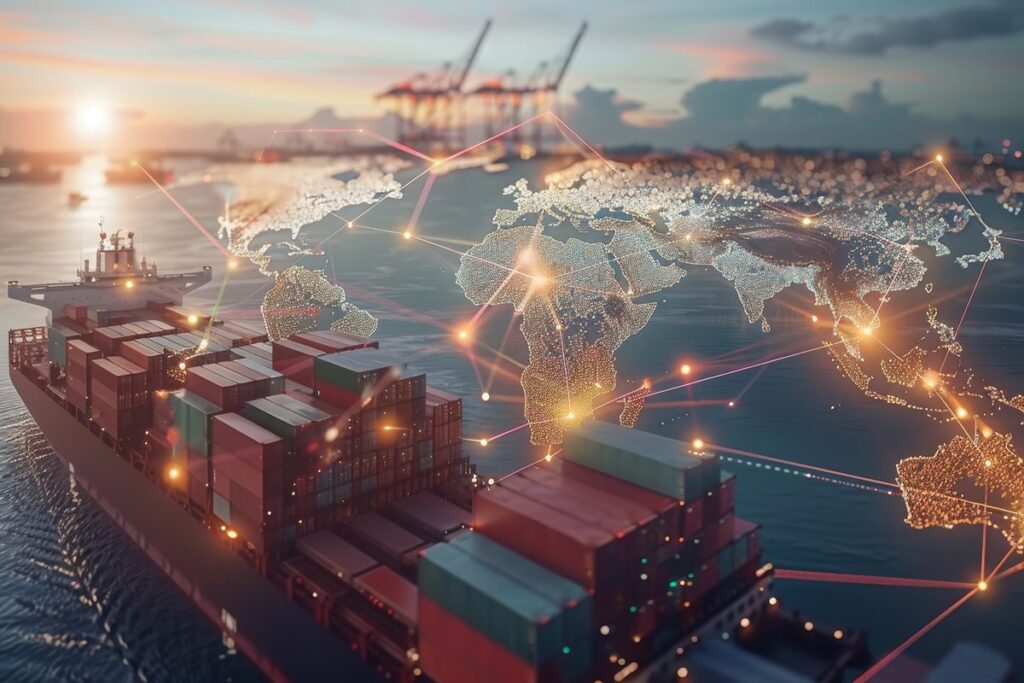
The manufacturing sector is also changing fast. Many companies are moving their factories to countries or making things in multiple places to reduce dependence on one region. This helps companies be more resilient against disruptions and respond faster to changes in the market.
Foreign trade policy is also encouraging companies and governments to work more. Governments are investing in transportation infrastructure, logistics networks, ports and digital connectivity to create an environment where companies can expand internationally with confidence.
As global commerce becomes more connected companies that understand these policy changes will be better, at managing risks finding opportunities and achieving long-term growth.
The Global Economic Impact of Foreign Trade Policy
Foreign trade policy has an impact on a lot of things. It affects the number of jobs how much things are made in factories how much money comes into the country from other countries how new technologies are developed and how stable the economy is. When governments make it easier for countries to trade with each other and sell things to countries businesses can sell their products to more people and make more money. As more things are sold to countries factories make more things and hire more people, which means more money for the country.
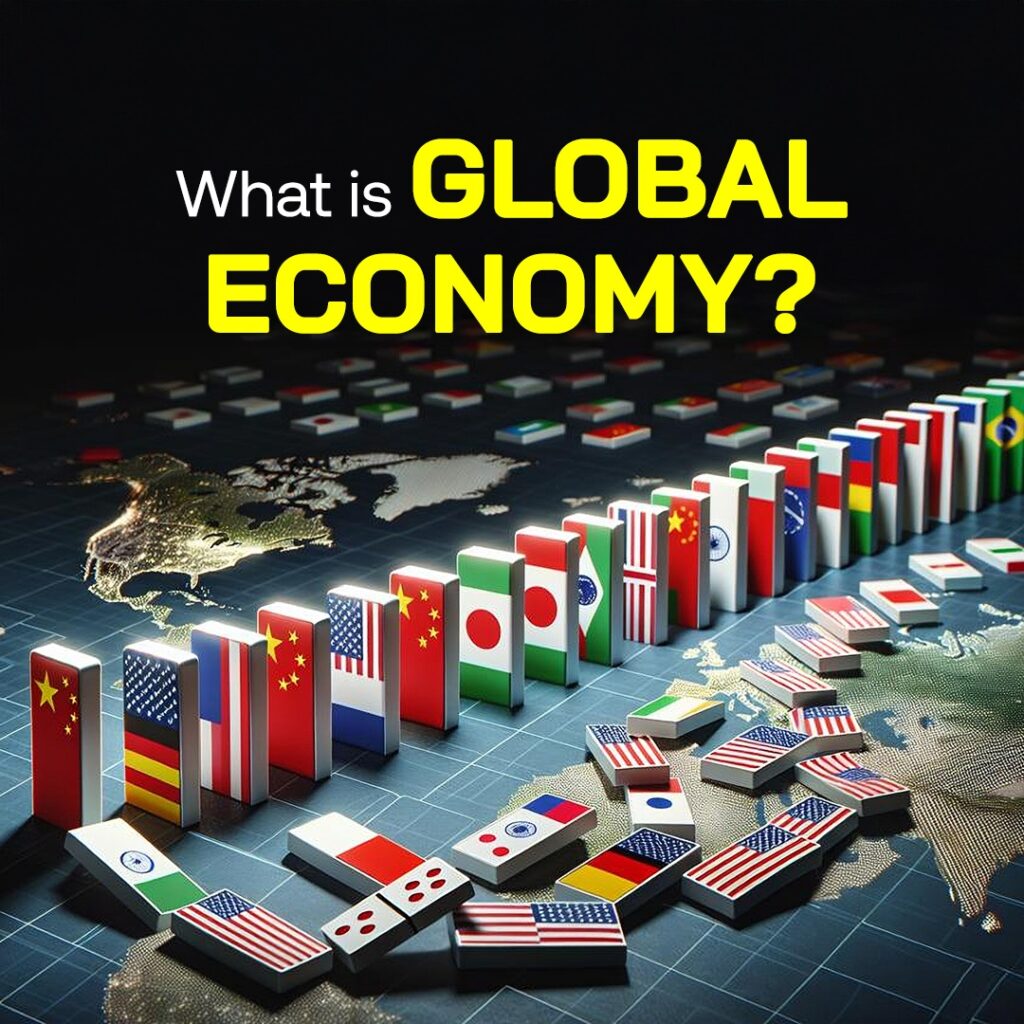
Foreign trade policy also helps get money invested in a country from other countries. People who want to invest their money in a country like it when the rulesre clear and easy to follow and when it is easy to get things into and out of the country. When businesses think a country is a place to invest they are more likely to build factories, warehouses and research centers. This helps create ideas improves roads and other infrastructure and makes the economy stronger over time.
How Foreign Trade Policy Supports Economic Growth
A good foreign trade policy helps businesses become more competitive by investing in technology making better products and selling things to other countries. When businesses sell things to countries they get money from other countries that can be used to make the countrys economy stronger and help it grow in the future.
In a lot of countries, small and medium-sized businesses are also doing well because of programs that help them sell things to countries. With help from the government and easier access to countries these businesses can compete with bigger businesses without needing a lot of money.
Challenges Facing Foreign Trade Policy in 2026
Even though trading with countries creates a lot of opportunities, governments and businesses also face a lot of challenges. Things like not being sure what will happen with the economy problems between countries, higher prices and changing rules mean that businesses need to be able to adapt and stay informed.
One of the problems is that getting things from one country to another is becoming more complicated. A lot of products need parts and materials from different countries. If there are problems like wars, natural disasters or transportation issues it can delay production and increase costs.
Businesses also have to follow rules about the environment and what products can be sold in a country. Many countries now require products to meet standards before they can be sold. Businesses that do not follow these rules might have problems getting their products into a country have to pay fines or not be able to sell their products all.
Rising Trade Protectionism
Some governments are making rules to protect businesses in their country. They might add taxes to products from countries limit how many products can be imported or make other rules to help local businesses. While these rules might help businesses they can increase costs for businesses that need to import things from other countries. This means businesses have to keep an eye on these rules and change how they get the things they need.
Geopolitical Uncertainty
What is happening between countries is becoming more important for trade. Problems between countries, economic sanctions and conflicts in areas can quickly affect trade agreements and how things are transported from one country to another. Businesses that operate in countries often reduce these risks by getting things from many different places and selling products in many different countries instead of relying on just one area.
How Foreign Trade Policy in 2026 Is Driving Digital Trade
Technology is changing how countries trade with each other quickly. Governments are investing in systems that make it faster, safer and more transparent to trade with other countries. Electronic customs forms, certificates of where products come from automated inspections and online payment systems have reduced the amount of paperwork and delays.
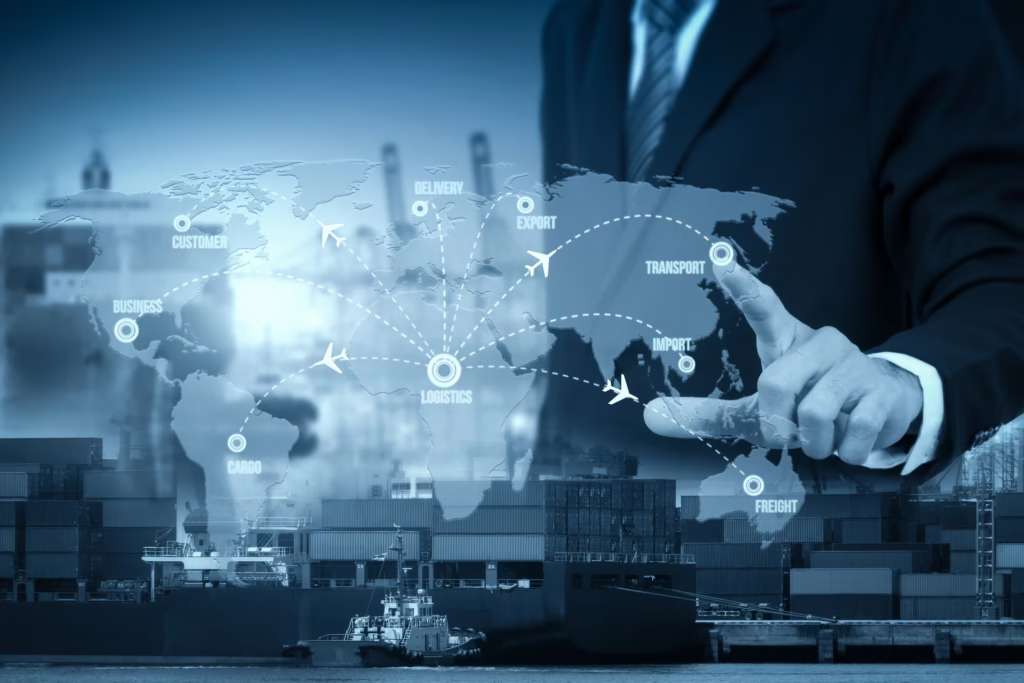
Artificial intelligence is also helping businesses predict what products will be needed manage inventory plan the shipping routes and follow customs rules. These technologies reduce costs. Make the process of getting things from one country to another more efficient.
The Growing Role of Artificial Intelligence
Artificial intelligence helps businesses understand what is happening in the market predict what customers will want plan the shipping schedules and find potential problems in the supply chain before they become big issues. Governments are slowly starting to use intelligence in customs operations to improve how accurately things are inspected and to reduce the time it takes to process them.
Companies that use intelligence to help with trade are better able to compete in the complex global market.
Sustainability Is Reshaping Global Trade
Being responsible to the environment has become a part of modern trade policy. Governments, consumers and investors expect businesses to reduce their impact on the environment while still making high-quality products.
Many countries now encourage businesses that sell products to countries to use renewable energy reduce carbon emissions recycle more and get materials in responsible ways. Making products in a way not only helps the environment but also improves a companys reputation and ability to compete in the global market.
Green Manufacturing and International Competitiveness
Businesses that invest in friendly manufacturing processes can sell their products in markets where sustainability is important to customers. Making products in friendly ways also reduces waste lowers long-term costs and makes a companys brand more valuable to customers who care about the environment.
Future Trends in Foreign Trade Policy in 2026
trade will keep changing as governments respond to new technologies changes in the economy and environmental priorities. Businesses that stay informed and adapt to these changes will have the chance of succeeding in the long term.
One important trend is that countries are making agreements to simplify trade between them encourage investment and improve access to markets. These agreements are expected to reduce barriers to trade and create opportunities for businesses that sell products to other countries.
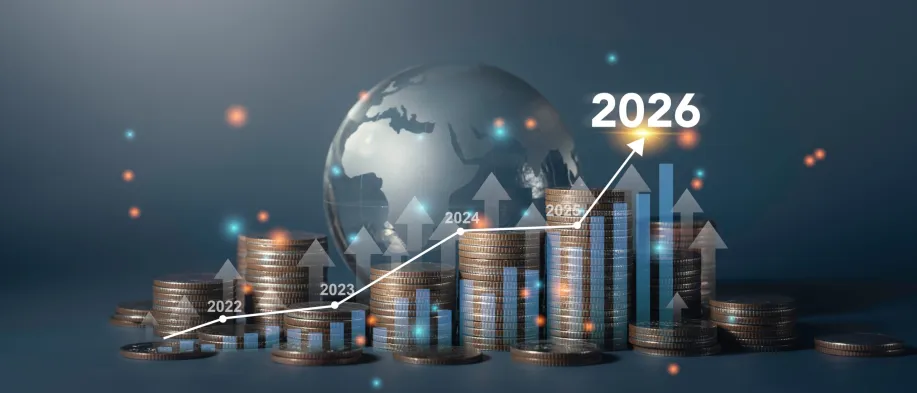
Digital commerce will also keep growing as businesses reach customers in countries through online marketplaces. Governments will likely invest more in customs systems and secure electronic trade documentation making it even easier to trade with other countries.
Artificial intelligence, automation, blockchain and data analysis will become more important in logistics, customs operations and managing the supply chain. Companies that invest in these technologies now will be better prepared for the global market of the future.
Opportunities for Businesses
Businesses that understand Foreign Trade Policy in 2026 can find markets to sell their products strengthen relationships with suppliers follow regulations more easily and use new technologies to support long-term growth. Of seeing trade rules as obstacles successful companies use them as tools to expand and become more competitive.
Foreign Trade Policy in 2026 reflects the changing world of the economy. Modern trade policies are not about taxes on imported goods and customs rules. They also include digital commerce, sustainable development making sure supply chains are new technologies and working together internationally.
Businesses that stay informed about these developments will be better able to manage risks reduce costs and find new opportunities in the global market. Governments will keep balancing growth with the interests of their country by creating policies that encourage investment strengthen local industries and promote responsible global trade.
As international trade becomes more connected foreign trade policy will remain a driver of economic development and business success. Companies that embrace ideas follow the rules and adapt to changing regulations will be well positioned to succeed in the years ahead.
Frequently Asked Questions
What is foreign trade policy?
Foreign trade policy is a set of rules and strategies made by governments to regulate imports, exports, trade agreements, customs procedures and international business activities.
Why is Foreign Trade Policy in 2026
Foreign Trade Policy in 2026 is important because it affects global trade, investment, digital commerce, supply chains and economic growth. It helps businesses understand changing rules and find opportunities in markets.
How does foreign trade policy affect businesses?
Foreign trade policy affects businesses by determining taxes on imported goods, customs procedures, product standards incentives for exporting and access to markets. These factors influence costs, competitiveness and international expansion.
What are the future trends in foreign trade policy?
Future trends include digitalization using artificial intelligence, in trade management sustainable manufacturing, stronger regional trade agreements and more resilient global supply chains.