
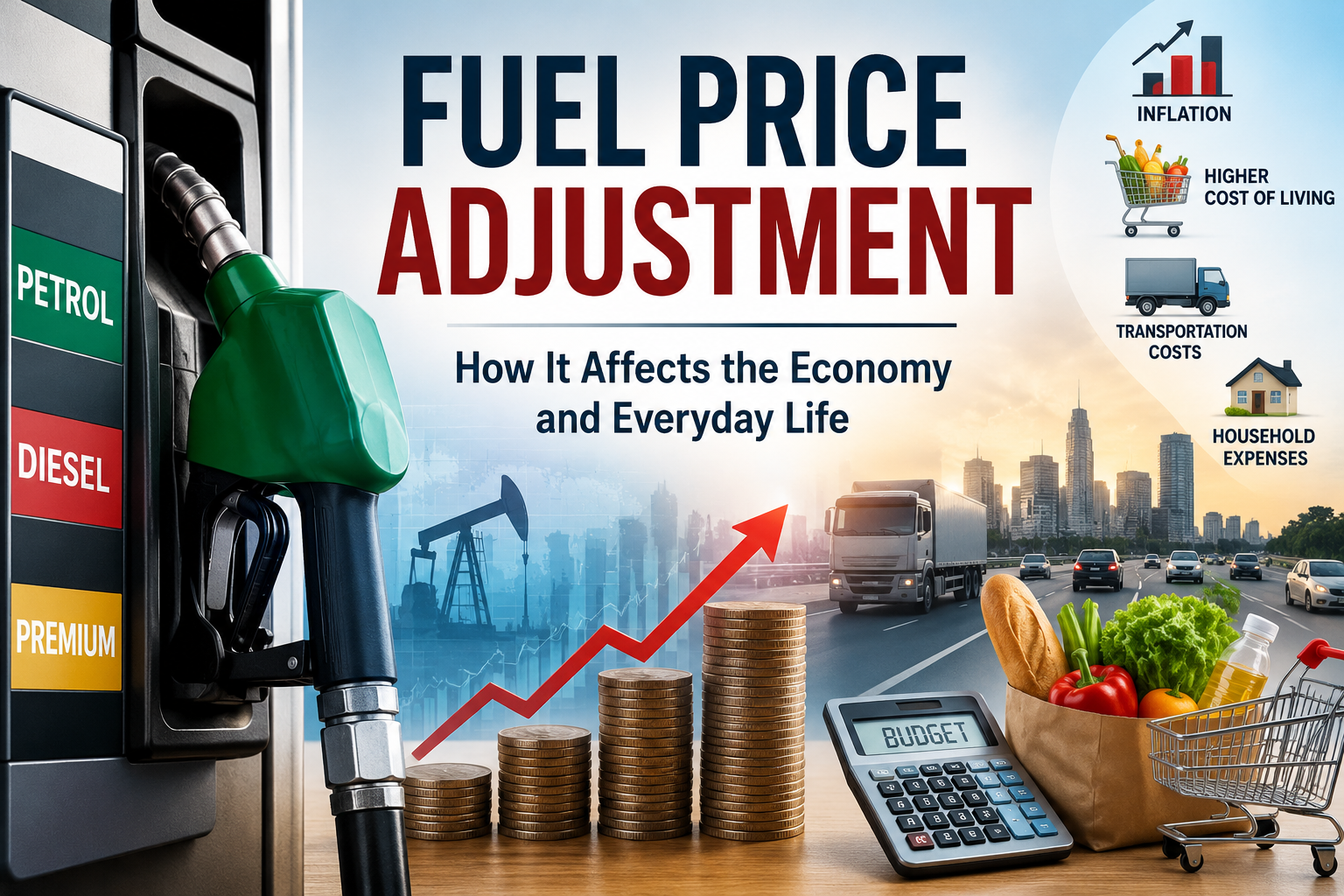
Have you ever noticed that when fuel prices go up almost everything else seems to become more expensive ? From filling your cars tank to buying groceries or ordering food online fuel prices have an impact on our daily lives. Fuel prices are something that many people hear about in the news. Not everyone understands why they happen or what they really mean.
In this guide we will explain fuel price adjustments in terms why governments change fuel prices and how these changes affect families, businesses and the economy. We will talk about fuel price adjustments. How they work.
What Is a Fuel Price Adjustment?
A fuel price is simply a change in the price of gasoline, diesel or other fuels. Depending on market conditions the price may go up or down. This happens because governments and fuel companies review fuel prices regularly. They look at things like oil prices, currency exchange rates, taxes, transportation costs and government policies.
While a price increase may seem like a few extra cents or dollars at the pump its effects can spread throughout the entire economy. Fuel price adjustments can affect things, including the price of food, transportation and other products and services.
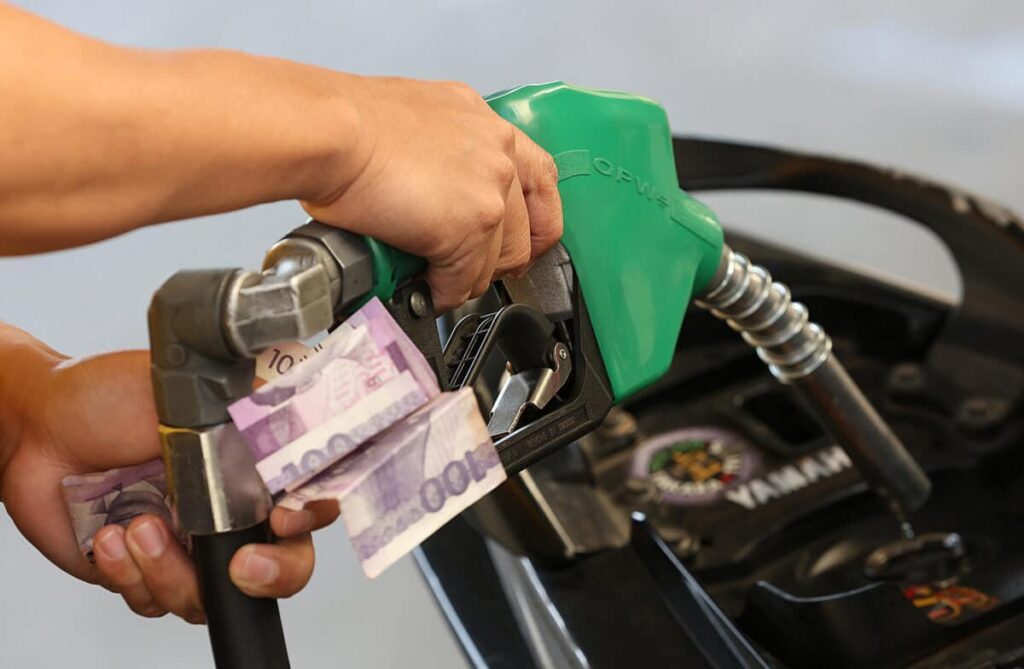
Why Do Fuel Prices Change?
Fuel prices do not change randomly. Several important factors determine how much consumers pay for fuel.
Global Oil Prices
Crude oil is the ingredient used to produce fuel. When oil prices rise on the market fuel usually becomes more expensive. If oil prices fall fuel prices often decrease well. This is because crude oil is used to make fuel. The price of oil affects the price of fuel.
Exchange Rates
Many countries buy oil using US dollars. If the local currency loses value against the dollar importing fuel becomes more expensive even if global oil prices remain stable. This means that if the exchange rate changes it can affect the price of fuel.
Government Taxes
Taxes are included in the price of fuel in countries. If governments increase or reduce fuel taxes consumers will notice the difference at the pump. This is because taxes are added to the price of fuel so changes in taxes affect the price.
Transportation Costs
Fuel must be refined, stored and transported before it reaches service stations. Rising transportation or distribution costs can also increase fuel prices. This is because it costs money to get the fuel from the refinery to the gas station.
Government Subsidies
Some governments help keep fuel affordable by providing subsidies. When these subsidies are reduced or removed fuel prices usually rise. This is because subsidies help lower the price of fuel so if they are removed the price goes up.
How Fuel Price Adjustments Affect the Economy
Fuel is used in every part of the economy. That’s why even a small price change can have an effect.
Transportation Becomes Expensive
Trucks, buses, taxis, airlines and delivery services all rely on fuel. When fuel costs increase transportation companies often raise their prices to cover the expense. This means that the cost of transportation goes up which can affect things, including the price of food and other products.
Grocery Bills Go Up
Most food travels hundreds of miles before reaching supermarkets. Higher transportation costs often mean food prices for consumers. This is because it costs more to transport food. The price of food goes up.
Businesses Face Higher Costs
Manufacturers, retailers, farmers and delivery companies all depend on fuel. Rising fuel prices increase operating costs and many businesses eventually pass those costs on to customers. This means that businesses have to pay more for fuel which can affect their prices.
Inflation Increases
Fuel is one of the drivers of inflation. As transportation and production become more expensive the prices of everyday goods and services also increase. This is because fuel prices affect the cost of things which can contribute to inflation.
How Fuel Prices Adjustment Affect Life
Even if you do not own a car fuel prices still affect your routine. You may notice prices for groceries and household essentials. You may also notice bus, taxi or ride-sharing fares. Online delivery services may become more expensive. Travel costs during holidays may go up. Utility and service charges may also increase.
This is why fuel price adjustments receive much public attention. They affect nearly everyone. Fuel prices are a part of our daily lives and changes in fuel prices can have a big impact.
How You Can Reduce the Impact
Although you cannot control fuel prices you can take steps to reduce their effect on your budget.
Drive Smarter
Smooth driving, avoiding acceleration and keeping your tires properly inflated can improve fuel efficiency. This means that you can get miles per gallon which can save you money.
Plan Your Trips
Combining errands into one trip helps reduce fuel consumption. This is because you are not driving much so you are using less fuel.
Use Public Transportation or Carpool
Sharing rides or using transport can significantly lower your monthly transportation expenses. This is because you are not using much fuel so you are saving money.
Set a Fuel Budget
If fuel prices are rising review your spending and set aside enough money for transportation costs. This means that you can plan ahead and make sure you have money for fuel.
Maintain Your Vehicle
Regular servicing keeps your vehicle running and helps reduce fuel consumption. This means that your car will run better and use fuel, which can save you money.
Tips for Business Owners
Businesses are often hit hard by rising fuel costs. There are ways to manage the impact. You can plan delivery routes efficiently. You can keep company vehicles well maintained.
Small changes can help businesses save money over time. By being smart about fuel use businesses can reduce their costs. Stay competitive.
Are Lower Fuel Prices Always Good?
Lower fuel prices generally benefit consumers because transportation becomes cheaper businesses spend less on operations and inflation may slow down. However governments also rely on fuel taxes to fund roads, infrastructure and public services. Low fuel prices can reduce government revenue and affect industries connected to energy production.
For this reason governments try to balance fuel prices with long-term economic stability. They want to make sure that fuel prices are low enough for people to afford. Not so low that they hurt the economy.
Why Understanding Fuel Price Adjustments Matters
Fuel prices influence more than the cost of filling your tank. They affect the price of food, transportation, utilities and countless other products and services. By understanding why fuel prices change you can make financial decisions. You can plan your budget more effectively. You can be prepared when prices rise.
Final Thoughts
Fuel price adjustments are a part of every economy but their effects reach far beyond gas stations. They influence household budgets, business expenses, inflation and the overall cost of living. While no one can control oil prices or government policies staying informed helps you make smarter financial choices. Whether you are a driver, a business owner or simply managing your familys budget, understanding fuel price adjustments can help you adapt to changing conditions, with greater confidence.