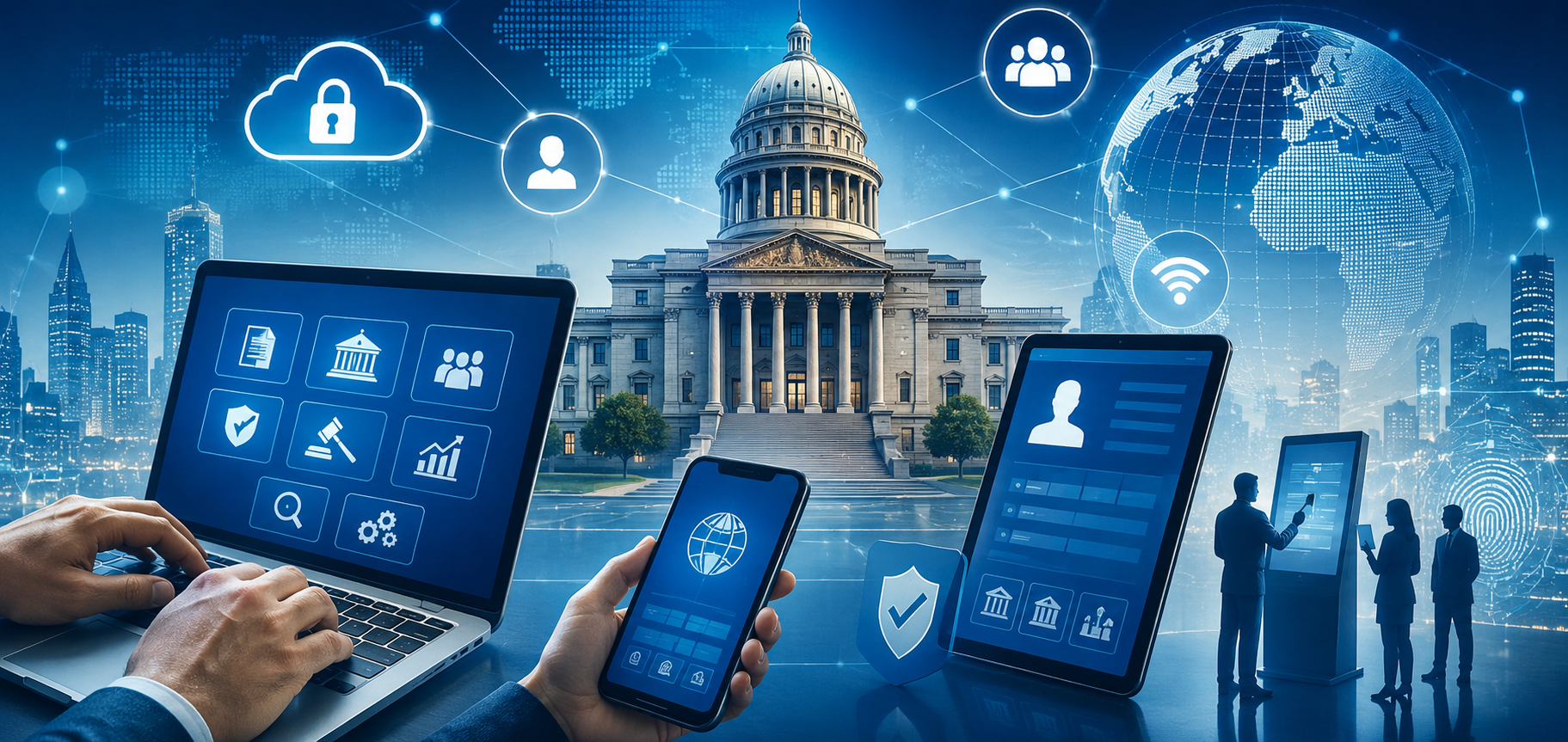
Governments around the world are using digital technology to make public services faster and easier to access. People can now pay their taxes online renew their drivers license apply for government benefits and track the status of their application. This is all part of something called E-Governance. In 2026 is playing a role in improving how governments serve their citizens.
The main goal of E-Governance is not just to move paperwork. It is about creating a government that’s more efficient and responsive to peoples needs. By using platforms governments can reduce delays and improve communication. This makes services available anytime and anywhere.
As technology keeps getting better E-Governance is becoming a part of modern public administration. However while it has advantages it also has challenges that governments must address. These challenges include building trust and making sure everyone has access to digital services.
What Is E-Governance?
E-Governance refers to the use of technology to deliver government services and share public information. Of using traditional paper-based processes people can complete many government-related tasks online. For example citizens can access documents, submit applications, pay taxes and receive updates without visiting a government office.
The main objective of E-Governance is to make government services more convenient while improving efficiency and transparency. This is what E-Governance is about.
Why E-Governance Matters in 2026
People expect to be able to do things easily. From banking to food delivery apps digital services save time and make life easier. Governments are now expected to provide the level of convenience. E-Governance helps meet these expectations by allowing citizens to interact with services from their computers or smartphones.
This reduces waiting times. Makes government services available around the clock. For governments digital systems also improve record management. Reduce administrative costs.
Key Benefits of E-Governance
Faster Public Services
One of the advantages of E-Governance in 2026 is speed. Many services that required multiple office visits can now be completed online within minutes. For example people can renew their licenses pay taxes apply for passports and register businesses
This saves both citizens and government employees time. E-Governance is making a difference in this area.
Greater Transparency
Transparency is essential for building trust. Digital platforms make it easier for governments to publish budgets, policies and project updates. When citizens can easily access information they gain a better understanding of how decisions are made.
This is what E-Governance is about. E-Governance helps build trust between governments and citizens.
Improved Citizen Experience
Modern citizens expect user-friendly services. E-Governance provides portals where people can complete tasks without long queues or complicated paperwork. Many governments also offer applications that allow users to receive notifications and access services anytime.
This makes life easier for citizens. E-Governance is improving the way citizens interact with governments.
Better Communication
Digital communication helps governments stay connected with the public. Official websites, email updates and online feedback systems allow governments to share announcements quickly. This two-way communication strengthens trust. Encourages citizen participation.
E-Governance is making communication between governments and citizens easier. This is an advantage of E-Governance.
Lower Administrative Costs
Traditional government processes often involve amounts of paperwork and manual data entry. By digitizing these processes governments can reduce costs and improve efficiency. This is another benefit of E-Governance.
Real-World Examples of E-Governance
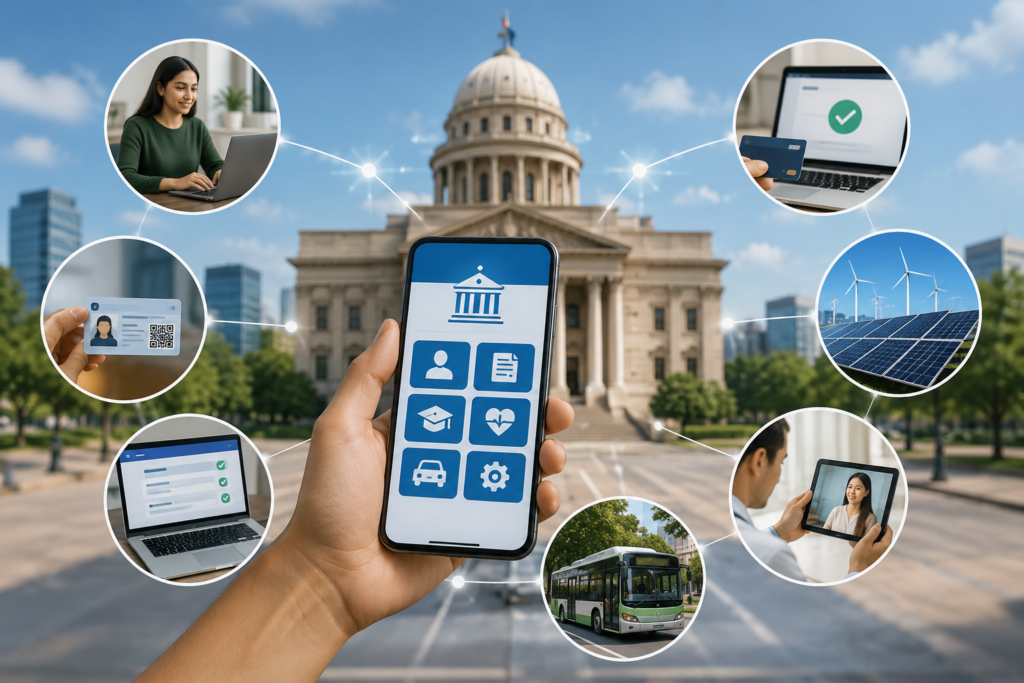
countries have already implemented successful E-Governance initiatives. For example citizens can now file taxes online apply for government certificates digitally and book appointments with offices. They can also access healthcare records. Renew vehicle registrations online.
These digital services reduce waiting times. Improve convenience for millions of people. E-Governance is making a difference in peoples lives.
Technologies Driving E-Governance
Several modern technologies are helping governments improve public services. These include intelligence, cloud computing, blockchain and mobile technology. These technologies are making E-Governance more efficient and effective.
Challenges of E-Governance
Although E-Governance has benefits it also has challenges. These challenges include cybersecurity, digital divide, privacy concerns and resistance to change. Governments must address these challenges to build trust and ensure access to digital services.
Future Trends in E-Governance
The future of E-Governance looks promising. New technologies are continuing to improve public services. Several trends are expected to shape the generation of government services. These include AI-powered customer support, digital identity verification and blockchain-based public records.
These innovations will help governments become more efficient and offer experiences for citizens. E-Governance is going to continue to make a difference in peoples lives.
How Citizens Can Benefit from E-Governance
E-Governance is designed to make interactions with government easier. Citizens can benefit by saving time accessing information 24/7 and completing applications from home. They can also receive approvals track requests online and reduce travel and paperwork.
These improvements make public services more accessible and convenient for everyone. E-Governance is making a difference in peoples lives.
Best Practices for Successful E-Governance
To build an E-Governance system governments should invest in strong cybersecurity improve internet access, design user-friendly digital platforms and protect citizen privacy. They should also offer literacy programs and regularly update online services based on citizen feedback.
These practices help create services that are secure, inclusive and trusted by the public. E-Governance is about building trust and improving public services.
Conclusion
E-Governance is transforming the way governments interact with citizens in 2026. By using technology to improve public services governments can increase efficiency reduce costs and create a more transparent and responsive administration. While challenges remain the overall impact of E-Governance has been positive. Citizens now have access to services faster communication with government agencies and greater transparency than ever before.
As technology continues to advance E-Governance will become more important, in building smarter more connected and citizen-focused governments. Countries that invest in secure infrastructure and inclusive online services today will be better prepared to meet the expectations of future generations. E-Governance is the future of government services.