

Sports stadiums are not places where people go to watch a game anymore. In 2026 they have become cool entertainment centers with the latest digital technology. From security systems that use intelligence and super fast internet to paying without cash and having a really great time smart stadium technology is changing what it means to go to a live game.
Whether you like football, cricket, basketball or concerts the people who run stadiums around the world are spending a lot of money on new technology to make things safer, easier and more fun for fans. Fans do not just want seats they want to be able to use their phones get special services and have experiences they will never forget.
In this article we will talk about how smart stadium technology’s changing sports stadiums what new ideas are coming out and what fans can expect in the future.
What Is Smart Stadium Technology?

Smart stadium technology is when you put together systems, connected devices, artificial intelligence, cloud computing and the Internet of Things inside sports stadiums to make things better for fans.
Unlike stadiums smart stadiums use real time information to manage everything from how people move around to security, food and parking. All the connected devices work together to make the event smoother, safer and more fun.
Some of the common technologies used include:
- Fast internet
- Security cameras that use artificial intelligence
- Digital tickets and facial recognition
- Smart parking systems
- Paying without cash
- Stadium apps for your phone
- Interactive screens
- Sensors to manage the stadium
These new ideas are making sports stadiums more efficient and creating great experiences for fans.
Why Smart Stadium Technology Is Becoming
Fans want better experiences when they go to games. They compare going to a game with watching it on TV at home in high definition.
To get more people to come stadium owners are using stadium technology to give them the best experience possible before during and after the game.
New stadiums offer:
- Faster entry with tickets
- Shorter lines for food and drinks
- Easy navigation inside the stadium
- Instant game statistics
- Special deals for you
- Better security and crowd management
These improvements make fans happier. Help the people running the stadium do their jobs better.
Smart Stadium Technology Is Changing How Fans Get Involved
One of the things about smart stadium technology is that it keeps fans connected during the whole event.
Most new stadiums have apps that let you:
- Buy tickets
- Find your seat easily
- Order food without leaving your seat
- Get offers
- See player statistics in time
- Watch replays right away
Instead of waiting in long lines for food you can order from your phone and have it brought to your seat.
There are also screens around the stadium that show player info live stats, social media posts and fan competitions making the game more exciting.
Fast Internet Is Making Modern Sports Venues Better

Having internet is really important for sports stadiums.
Thousands of fans try to upload videos, stream content and share photos at the time. Without internet the network gets slow.
This is where smart stadium technology helps.
New stadiums have:
- Wi-Fi
- 5G networks
- Cloud-based communication systems
These technologies let fans stay connected without slow internet speeds.
For broadcasters faster internet also means they can stream high-quality video and send data in time.
Artificial Intelligence and Data Analysis Are Improving Stadium Operations
Artificial intelligence is a part of smart stadium technology.
AI systems help stadium operators look at a lot of real-time data to make decisions.
Some common uses include:
Managing Crowds
AI watches how people move around and predicts when areas might get too crowded.
Security teams get alerts if certain areas are getting too full.
Predictive Maintenance
Sensors check the stadiums infrastructure, like lights, escalators and air conditioning.
They can find problems before they cause issues during an event.
Personalized Fan Experiences
AI looks at what visitors like. Recommends:
- Merchandise
- Food deals
- Better seats
- Tickets to events
This personalization makes fans happier and increases revenue.
Smart Security Systems Are Making Stadiums Safer
Safety is a priority for stadium operators.
Modern smart stadium technology uses security systems to keep visitors safe without slowing down entry.
Common security technologies include:
- recognition
- AI-powered security cameras
- Automated threat detection
- Digital access control
- Drone surveillance
of just relying on people watching AI always looks at video footage and alerts security if it sees anything unusual.
These systems make response times faster. Improve public safety.
Paying Without Cash Is Changing the Stadium Experience
Many sports venues are going completely cashless.
With stadium technology fans can pay using:
- Their phones
- QR codes
- Contactless credit cards
- Digital wristbands
Paying without cash has advantages:
- Faster transactions
- lines
- Better hygiene
- Easier tracking of money
- Less risk of theft
For stadium operators digital payments also give them information about their customers that helps them improve services.
Smart Parking and Navigation
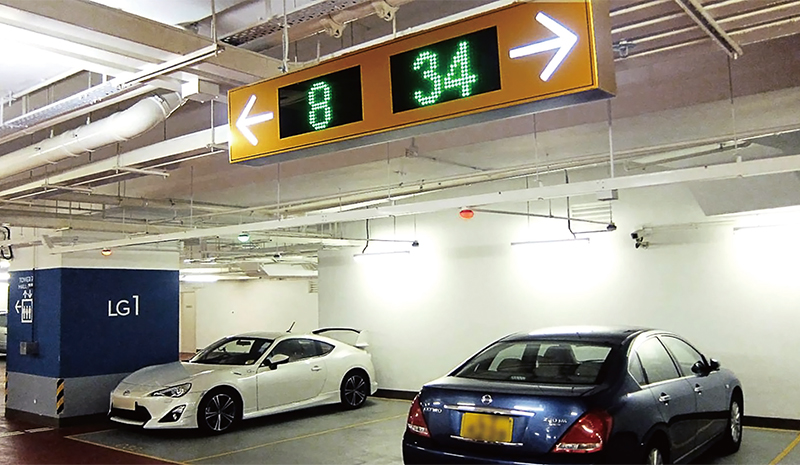
Parking used to be one of the frustrations for sports fans.
Todays smart stadium technology solves this problem with parking systems.
Visitors can:
- Reserve parking spots ahead of time
- Get real-time updates on parking availability
- Navigate directly to their parking spot
- Find the way out after the event
Inside the stadium apps help fans find:
- Their seats
- Restrooms
- Food
- Stores
- Emergency exits
This reduces confusion in big venues.
Being Kind to the Environment
Being environmentally responsible is important for stadium management.
Modern smart stadium technology supports being kind to the environment through:
- lighting
- Using energy
- Conserving water
- Managing waste intelligently
- Monitoring energy use
Sensors automatically adjust lighting and air conditioning based on how many people’re there reducing unnecessary energy use.
Many new stadiums are aiming to not harm the environment while also saving money.
Challenges with Smart Stadium Technology
Although the benefits are great implementing stadium technology also has challenges.
High Costs
Building smart stadium infrastructure costs a lot of money.
Smaller teams might struggle to afford systems.
Cybersecurity Risks
Connected devices can be vulnerable to cyber attacks.
Protecting fan data and payment information requires monitoring and investment.
Data Privacy
Technologies like recognition and AI surveillance raise important privacy concerns.
Stadium operators must follow data protection rules. Be transparent with visitors.
The Future of Smart Stadium Technology
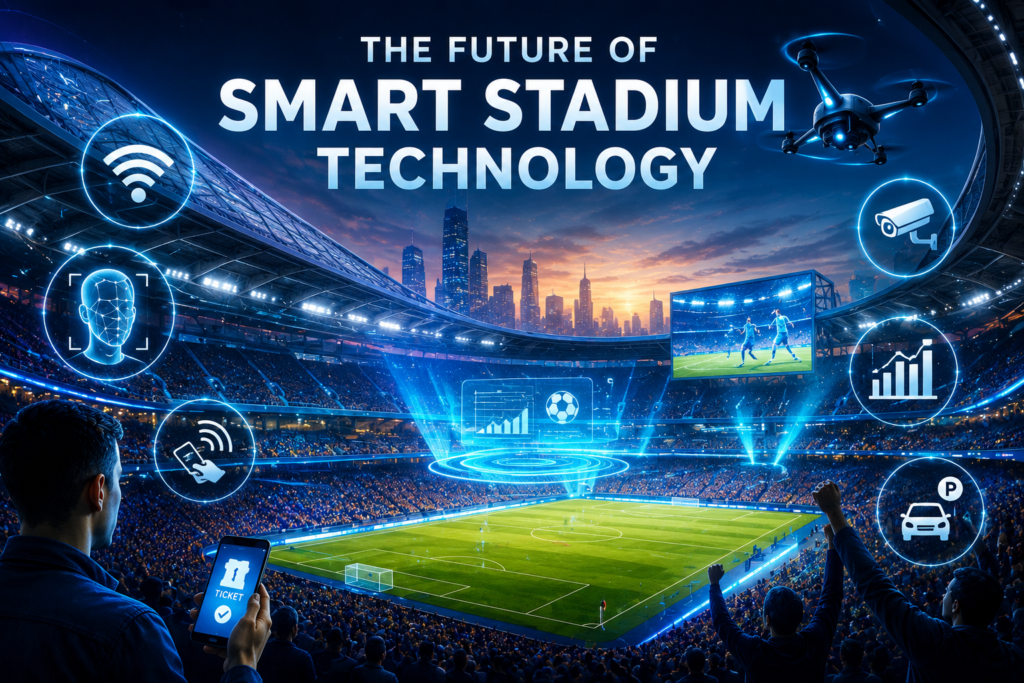
The future looks really exciting.
Experts think the next generation of stadium technology will include:
- AI assistants
- Augmented reality experiences
- Virtual reality game watching
- Robots that clean
- Digital copies of stadiums for management
- automated security systems
- Personalized AI recommendations for every visitor
As technology keeps evolving live sports events will become even more immersive and interactive.
Fans might soon experience stadiums that recognize them recommend their food guide them to the shortest lines and provide personalized game content right on their phones.
Why Sports Teams Are Investing in Smart Stadium Technology
Sports teams know that modern fans want convenience and entertainment.
Investing in stadium technology provides long-term benefits like:
- More ticket sales
- fans
- Better sponsorship deals
- Efficient operations
- Greater security
- maintenance costs
- Better digital engagement
These advantages make smart stadiums a valuable investment for teams, leagues and venue owners.
#
Smart stadium technology is changing the sports industry in ways. Modern stadiums are becoming connected places where AI, the Internet of Things and data analysis work together to make things safer, efficient and more fun for fans.
As sports teams keep investing in innovation going to a live game will become more immersive, convenient and personalized. From paying without cash and smart security to real-time navigation and interactive entertainment smart stadium technology is setting a standard for sports venues.
In 2026 and, beyond smart stadiums will not host games they will change how fans experience them making every visit faster, safer and more exciting.